Skip to content
visegradopedia
2 articles

Explainers

Plain-language background on places, history, language and daily life across the region, unpacking terms and turning points that readers ask about most often.

All topics
Why So Many Central European Towns Have Two Names

Why So Many Central European Towns Have Two Names

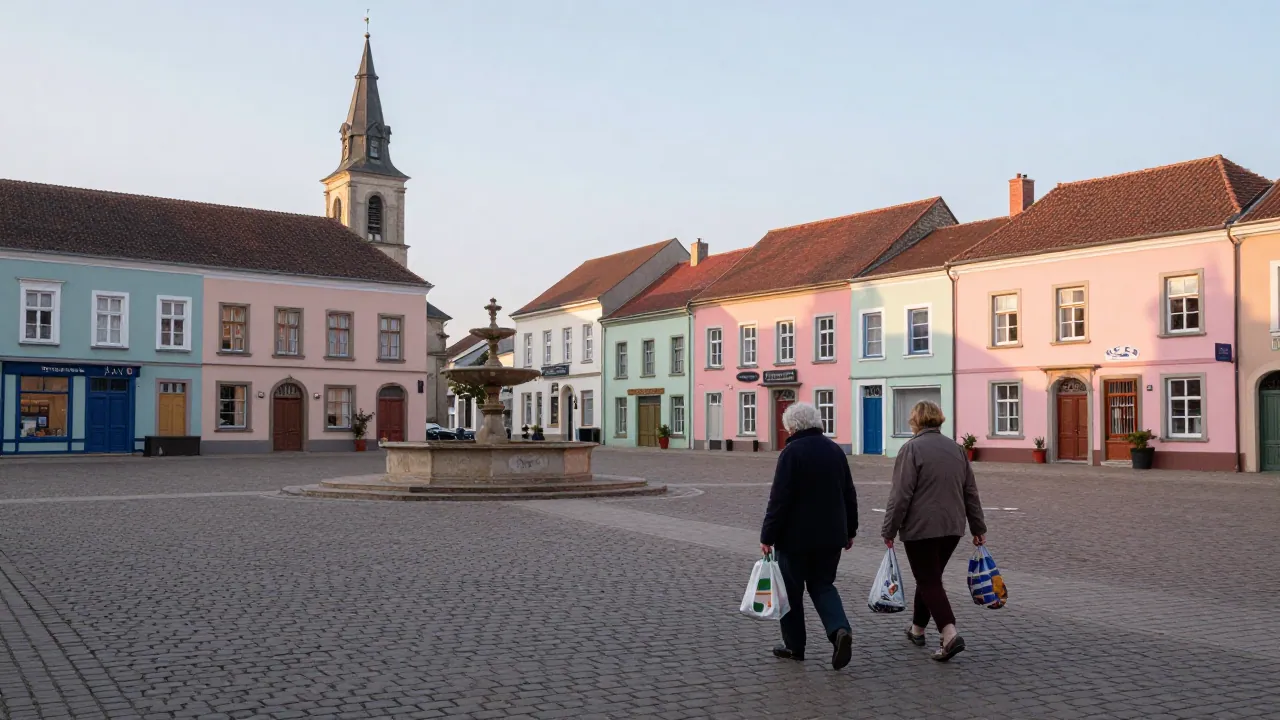
Travelers in Central Europe often notice that a single town can appear under two or three names on maps, road signs and railway timetables. The same square might be called Bratislava in Slovak, Pozsony in Hungarian and Pressburg in German, depending on who is speaking. This is not a trick of translation software or a mistake in the guidebook. It reflects centuries of migration, empire and border change, layered like sediment in the local place names. In this explainer we unpack how those layers formed, what they mean today and how to read them without confusion. As we found while writing about four countries…

How the Visegrád Group Actually Works: A Plain-Language Explainer

How the Visegrád Group Actually Works: A Plain-Language Explainer

The Visegrád Group, usually shortened to V4, is a loose arrangement among four Central European countries: Czechia, Hungary, Poland and Slovakia. It has no permanent headquarters, no army and no budget of its own. It works through meetings — of prime ministers, ministers, and lower-level officials — and through agreements that each country carries out in its own way. Readers often ask us whether the V4 is a kind of mini-European Union or a formal alliance. It is neither. To understand the group, it helps to start with what it was created to do, then look at how a typical…

See all articles and updatesBrowse all articles

More from the blog

All articles

Write to us

We read every message and usually reply within a few working days. [email protected]

Contact