Reference Articles

Our core work: careful entries on places, history, language and daily life across the Visegrád countries. Written for curious readers anywhere who want plain background before they travel or read further.
Learn moreWe publish plain, checked articles on places, history, language and daily life in Central Europe, written for curious readers who want background before they travel or read further.
Free and volunteer-run Everything is free, written and checked by volunteers

Visegradopedia is a small editorial team in the US building an online encyclopedia of the Visegrád countries, with careful articles on places, history, language and everyday life, written for curious readers.
About usOur core work: careful entries on places, history, language and daily life across the Visegrád countries. Written for curious readers anywhere who want plain background before they travel or read further.
Learn more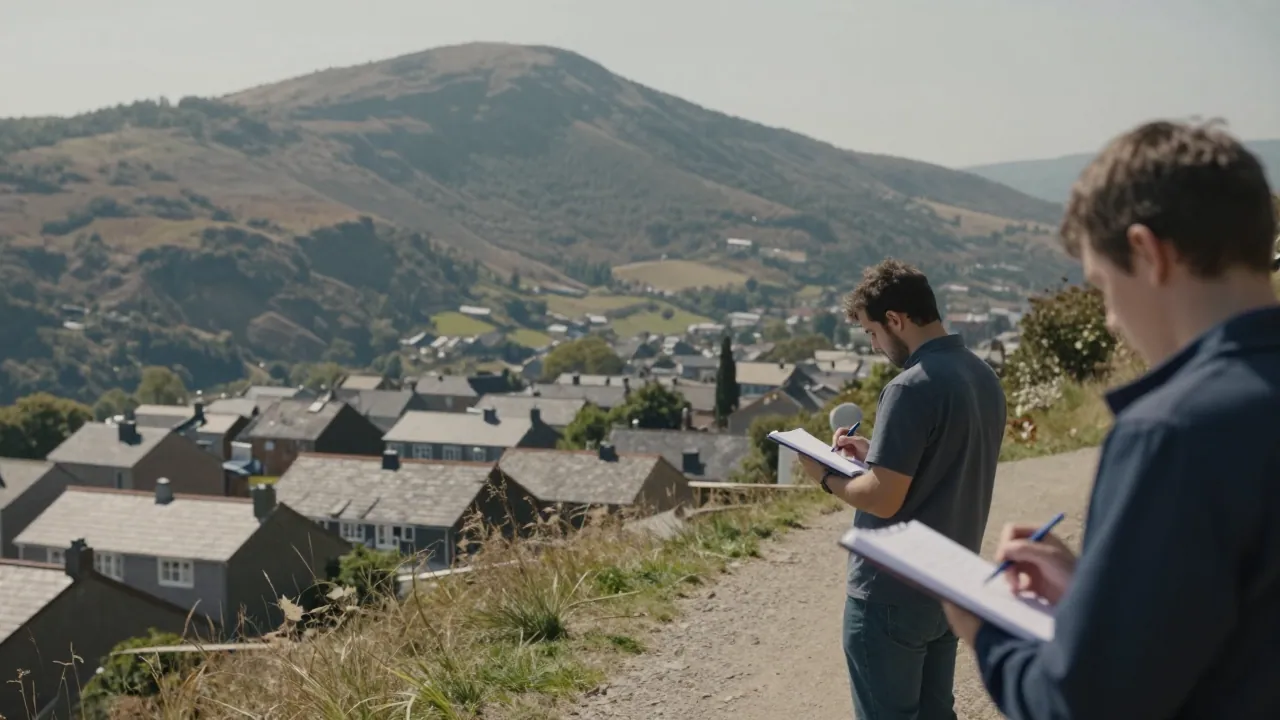
We travel, check details in person, talk with people who live there and correct what we get wrong. For readers who value accuracy and for our own team's steady improvement.
Learn more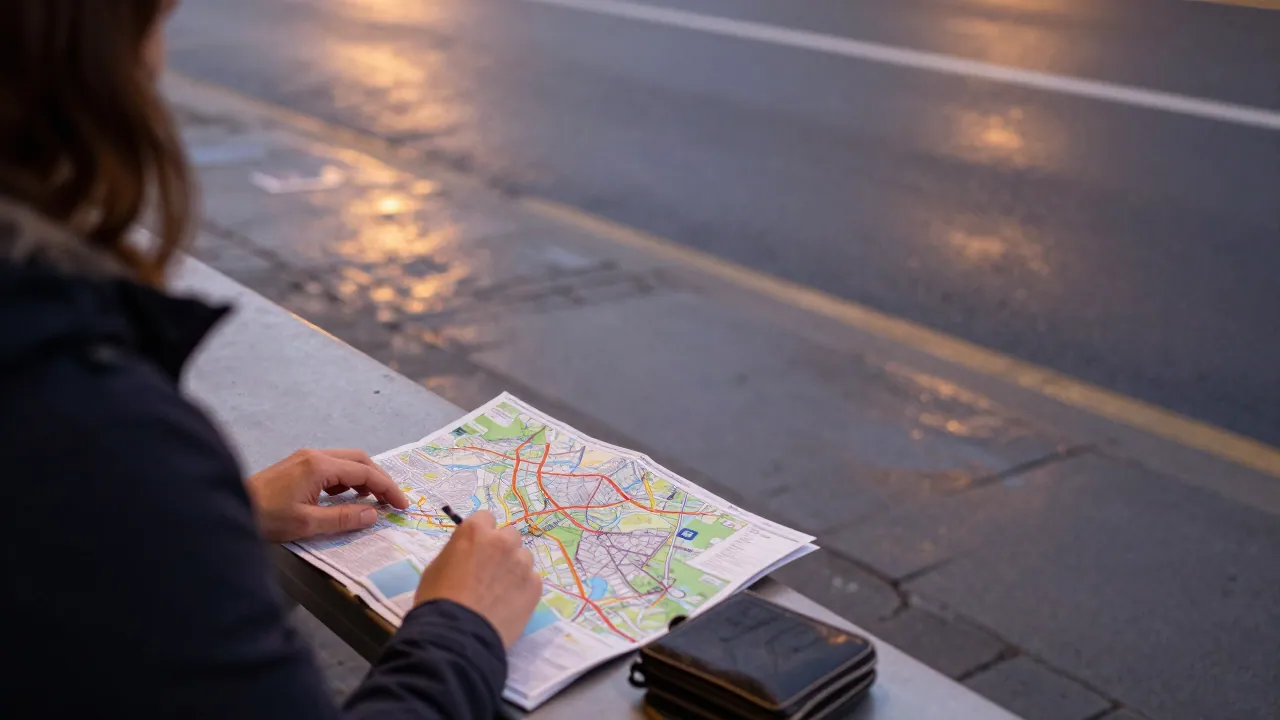
Step-by-step guides to everyday situations, from local transport to seasonal markets. For newcomers, visitors and residents who need clear instructions and honest notes on what still puzzles us.
Learn more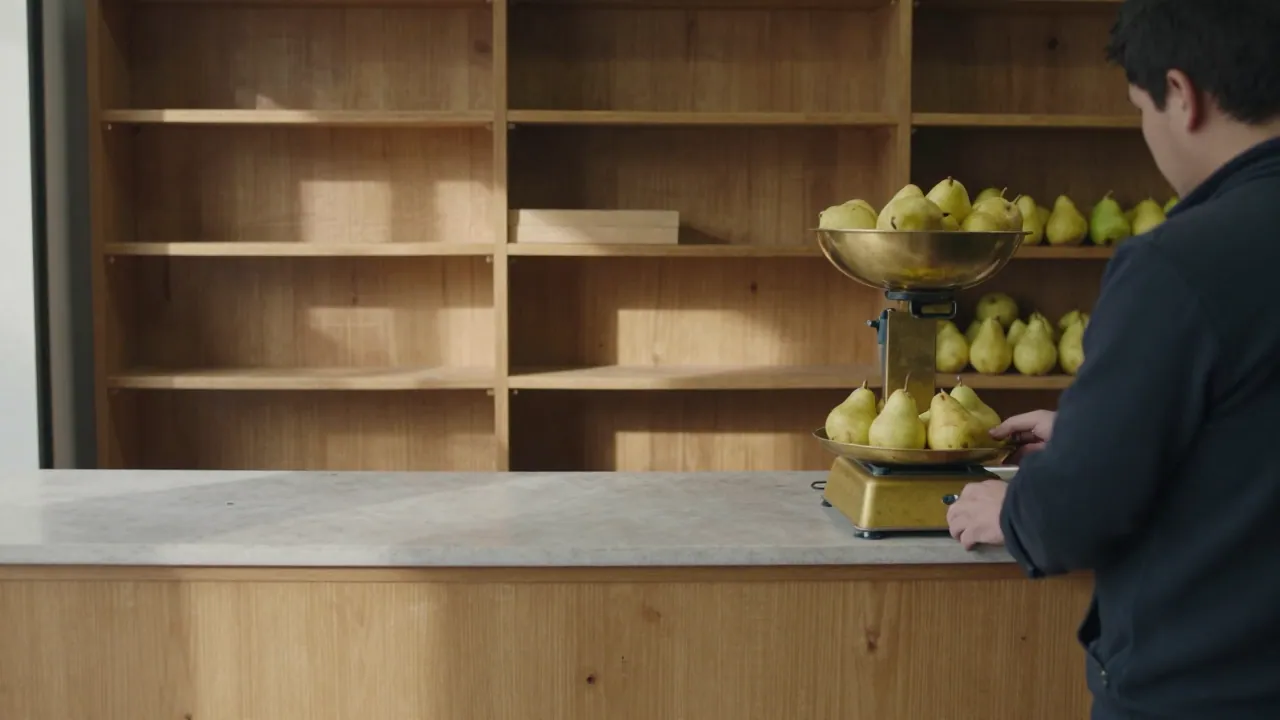
Short profiles of neighbours, shopkeepers, teachers and craftspeople we meet, plus plain updates on new entries and corrections. For readers who want the human texture behind the reference.
Learn moreWe work from sources and from the ground, then write plain entries for readers who want context, not shortcuts.
Each article is drafted from sources, then edited for plain wording and checked against what we can confirm in person.
Learn moreWe travel to towns and villages, talk with people who live there, and correct details that turn out wrong.
Learn moreStep-by-step notes on transport, markets and everyday tasks, with honest mentions of what still puzzles us.
Learn moreShort profiles of neighbours, shopkeepers and craftspeople we meet, plus plain notes on corrections and new entries.
Learn moreA small shelf of writing, grouped by place, history, language and daily life, with room to grow.
New entries and corrections from our writers across the Visegrád countries.
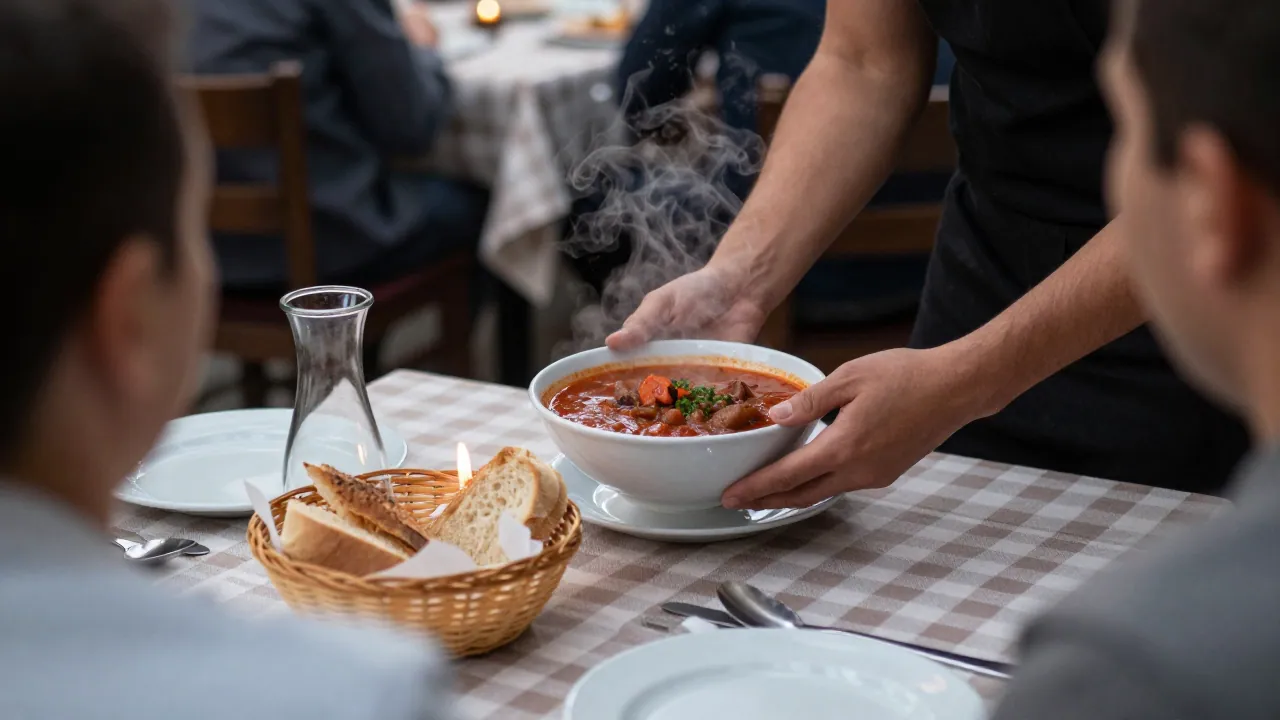
Hungarian menus can feel like a puzzle even if you speak a little of the language. The names are often descriptive but long, and the same dish may appear under different regional guises. This guide is for travelers who want to order without pointing blindly or defaulting to the English menu, and for anyone curious about what those words actually mean. We will walk through the vocabulary you need, show you how a menu is usually organized, and explain the dishes you are most likely to meet. By the end, you should be able to read a menu in Budapest…
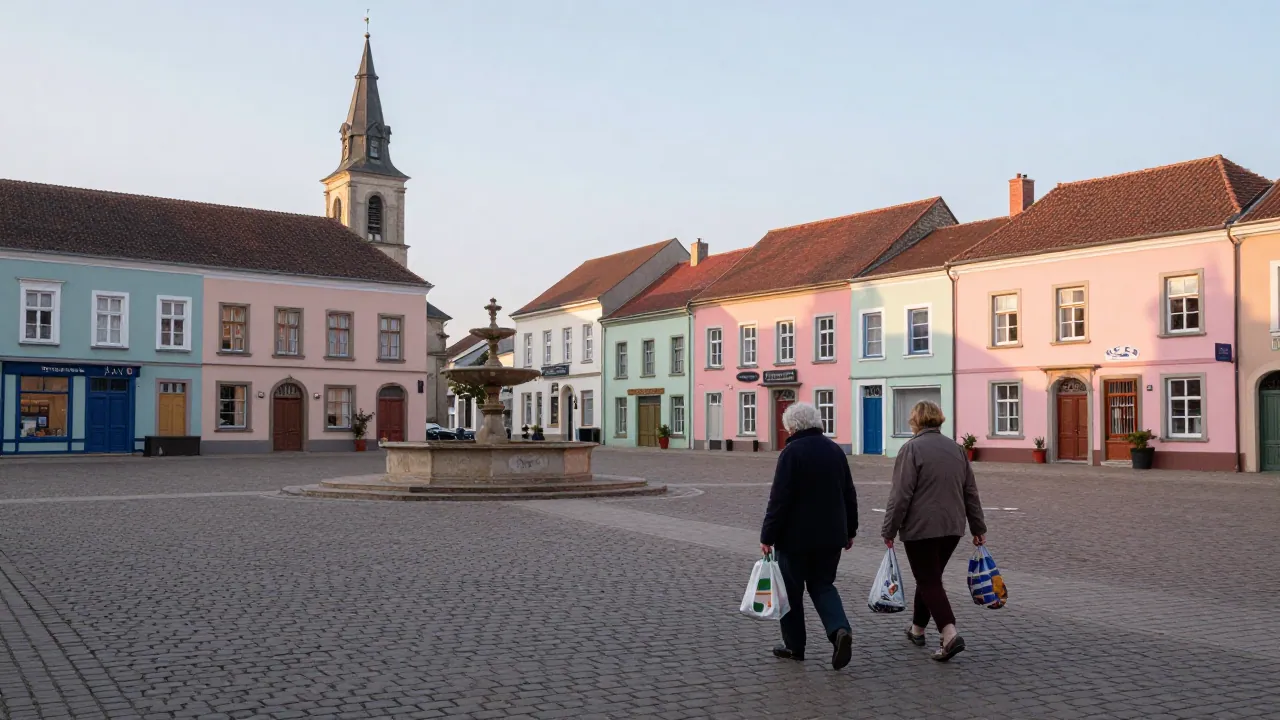
Travelers in Central Europe often notice that a single town can appear under two or three names on maps, road signs and railway timetables. The same square might be called Bratislava in Slovak, Pozsony in Hungarian and Pressburg in German, depending on who is speaking. This is not a trick of translation software or a mistake in the guidebook. It reflects centuries of migration, empire and border change, layered like sediment in the local place names. In this explainer we unpack how those layers formed, what they mean today and how to read them without confusion. As we found while writing about four countries…
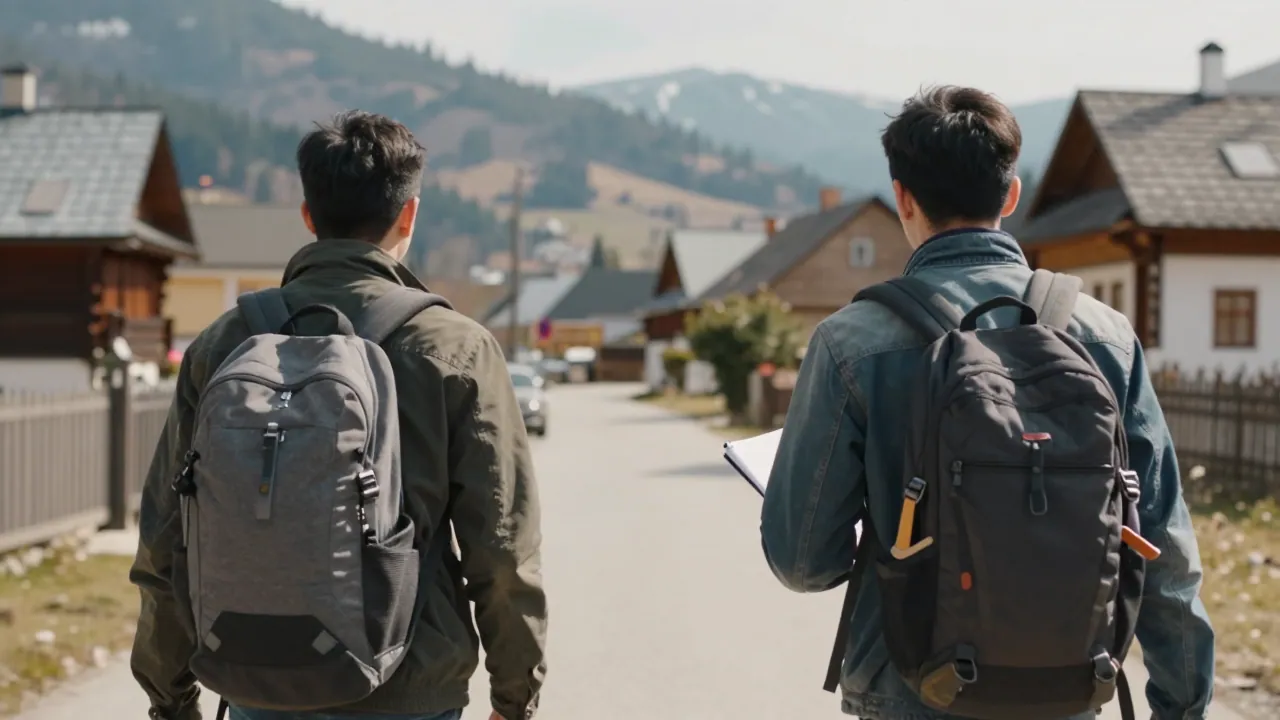
In early October we spent a week in the Tatra foothills, based in two small towns on either side of the border. The plan was modest: talk to a dozen people about how they describe their own region, spend three afternoons in local reading rooms, and test whether a short trip could support several entries in our encyclopedia. We came back with notes for six articles, a longer list of questions, and a clearer sense of how to organize research in a region where the mountains make every journey longer than it looks on a map. This is a plain…
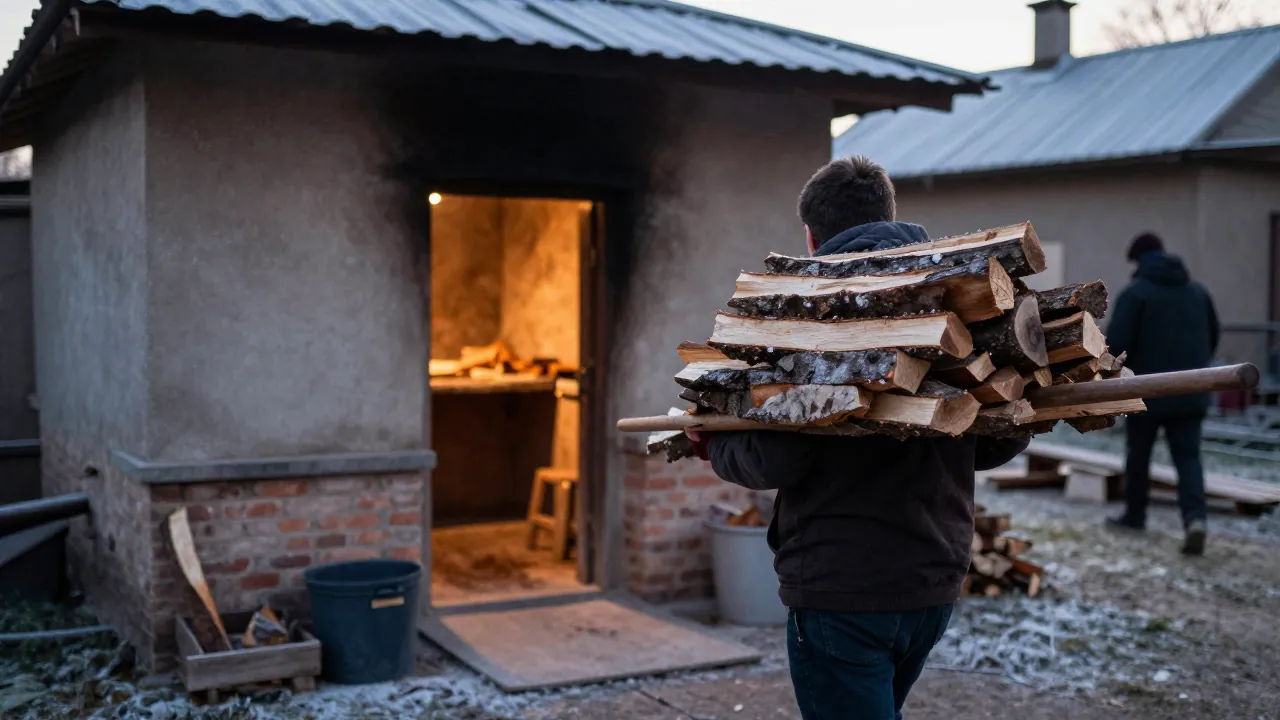
Before the village wakes, a thin line of smoke rises from the bakery on the square. The baker is already there, feeding split spruce into the firebox, waiting for the brick dome to turn from black to a soft, sooty white. He has done this every morning for years, and the rhythm of the work has changed very little. What has changed is the number of people who still know how to do it. In this corner of the Tatra foothills, the wood-fired oven is not a novelty but a tool, and the bread that comes out of it is…
When we started this encyclopedia, we assumed borders would be a subject we would handle once, in a few careful overview articles, and then set aside. A year of writing has taught us otherwise. Borders kept turning up in unexpected places: in the price of a market stall, in the second name on a railway station sign, in the way a baker orders his flour. In this recap we gather what we published, what we got wrong, and what we fixed. We also look at the handful of details that did the most work, which is the part of the…
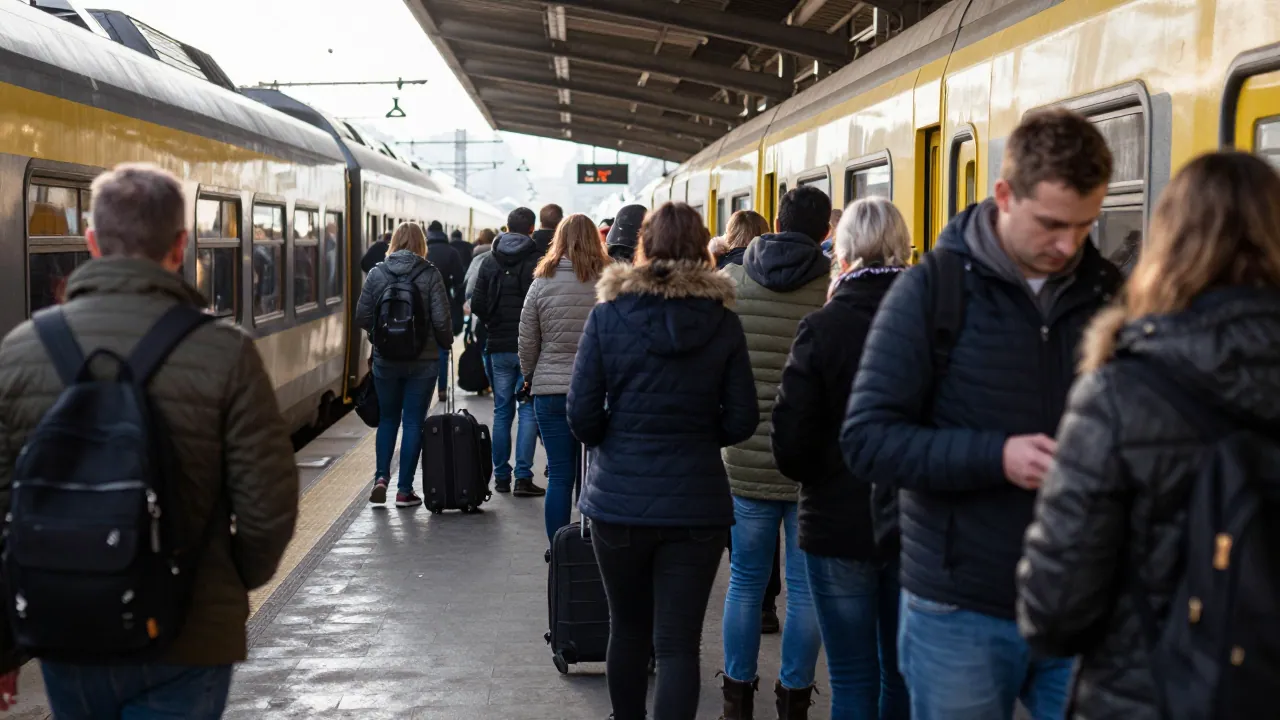
If you are visiting the Czech Republic and want to move between towns without a car, the train is usually the calmest choice. The network is dense, the fares are reasonable, and a two-hour ride can put you in a square that looks nothing like the last one. The catch is that the system assumes you already know a few conventions: which ticket to buy, whether a seat reservation matters, what the small numbers above the platform mean, and where your bag is supposed to go. This guide is for first-time riders. Read it once, and you should be able…
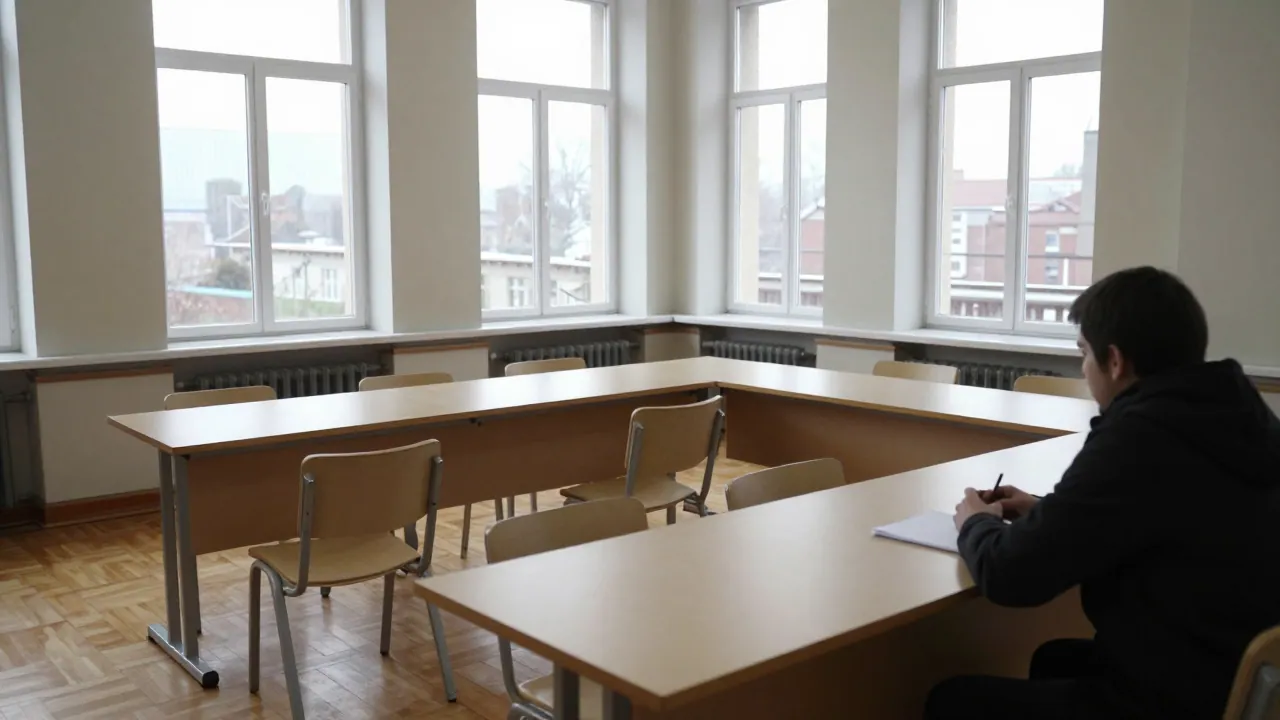
The Visegrád Group, usually shortened to V4, is a loose arrangement among four Central European countries: Czechia, Hungary, Poland and Slovakia. It has no permanent headquarters, no army and no budget of its own. It works through meetings — of prime ministers, ministers, and lower-level officials — and through agreements that each country carries out in its own way. Readers often ask us whether the V4 is a kind of mini-European Union or a formal alliance. It is neither. To understand the group, it helps to start with what it was created to do, then look at how a typical…

Every article we publish passes through the same quiet stage, and it is the stage readers never see. A draft arrives, usually written from one country's sources, and then we sit with the same claim in Czech, Hungarian, Polish and Slovak. Sometimes the four versions agree. More often they differ in a letter, a date, or a word that looks like a synonym but is not. We keep a shared checklist so that the same questions get asked every time, and we write down where each answer came from. The section on why so many towns have two names grew…
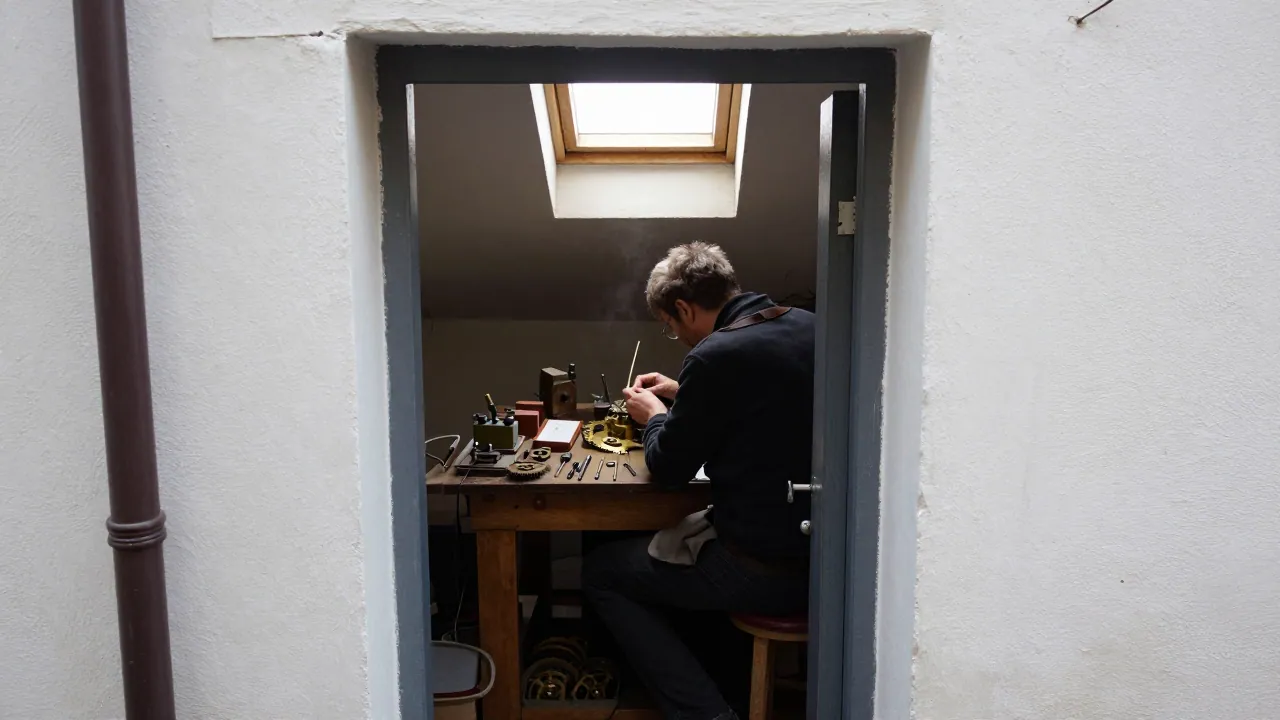
The workshop sits above a quiet street in a town of about nine thousand people, up a wooden staircase that creaks in the same place every time. Inside, the air smells of brass polish and old paper. A clockmaker we will call Mr. Novák has worked here for thirty-one years. He repairs tower clocks in village churches and wristwatches that arrive in envelopes from grandchildren. We visited him on a Tuesday morning in March, when the light comes through the window at an angle that makes the dust visible. His trade, he told us, is mostly about listening to what…
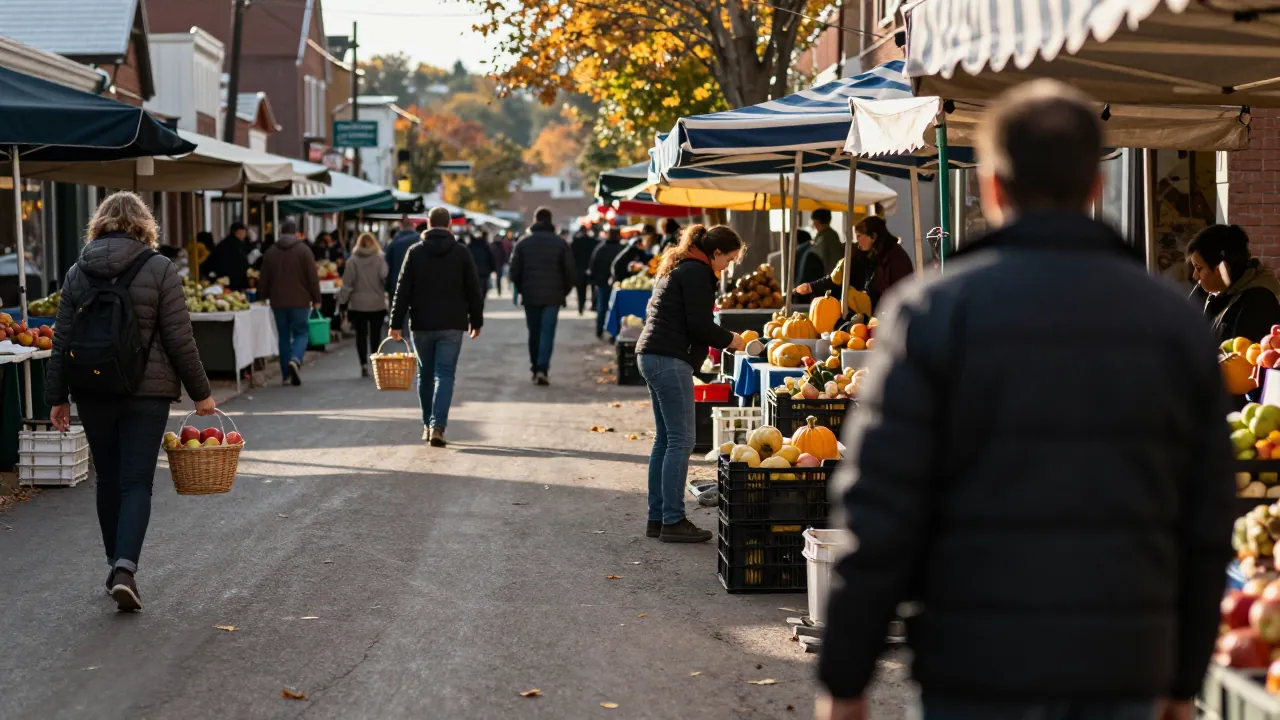
We spent last spring and summer visiting food markets in all four Visegrád countries, with a simple plan: note what was on the tables, ask when it was picked, and write it down. We wanted a season-by-season picture of what actually appears when, not what a calendar says should be there. We carried notebooks, a kitchen scale, and a list of questions. We came back with 38 market visits, a stack of photographs, and a clearer sense of how much the four countries share and how differently each market runs. This is an honest report on what worked, what did…
Write to us
We read every message and usually reply within a few working days. [email protected]
Contact