What a Year of Writing About Four Countries Taught Us About Borders
A look back at our first year of articles, and at the small border details that kept explaining larger histories.
When we started this encyclopedia, we assumed borders would be a subject we would handle once, in a few careful overview articles, and then set aside. A year of writing has taught us otherwise. Borders kept turning up in unexpected places: in the price of a market stall, in the second name on a railway station sign, in the way a baker orders his flour. In this recap we gather what we published, what we got wrong, and what we fixed. We also look at the handful of details that did the most work, which is the part of the year we keep coming back to.
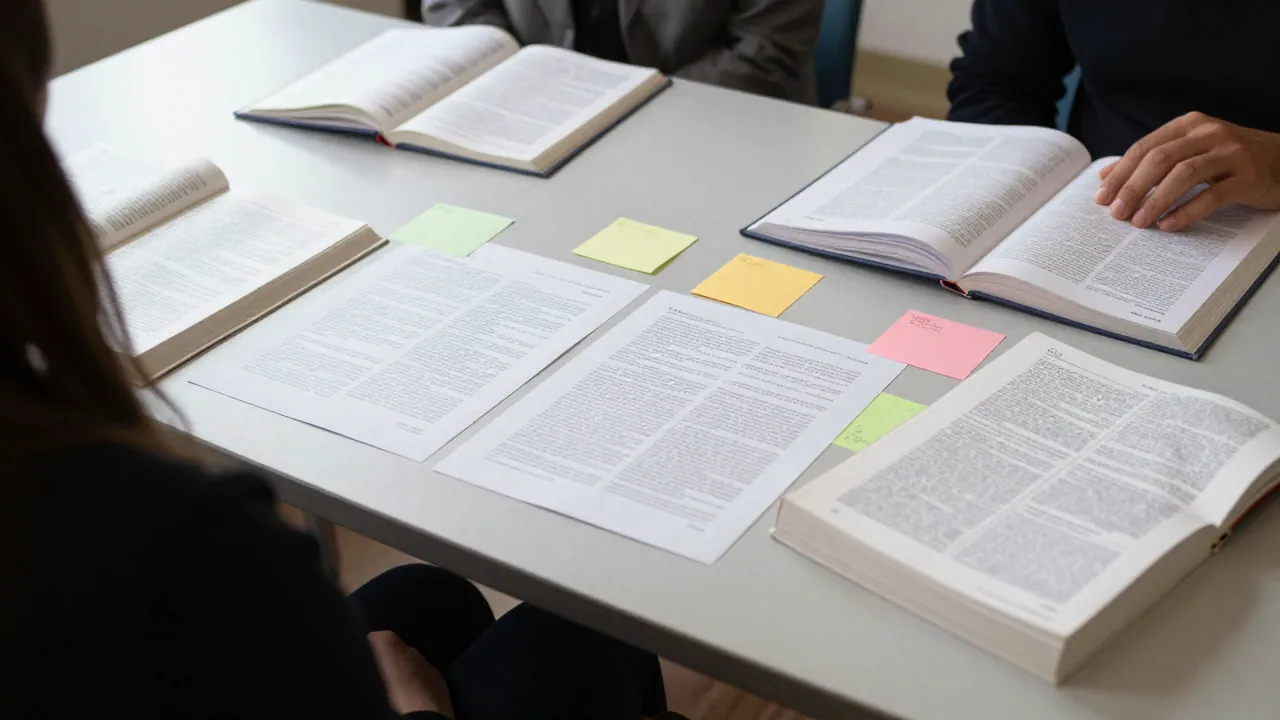
We began the year with a plan of forty articles and a shared folder of notes. We ended it with thirty-one published pieces, a longer list of corrections than we expected, and a clearer sense of what a reference work about this region can honestly promise. Most of the work happened in ordinary rooms: a borrowed desk in a library reading room, a kitchen table with four dictionaries on it, a train carriage where one of us wrote down station names in two languages for two hours.
The Year in Plain Numbers
The count is modest, and we are content with it. The editing process is slow by design. Every article passes through at least two readers, and any claim about a place name, a date, or a local custom goes to a third person who knows the area. In the first months we tried to move faster. That is where most of our mistakes came from.
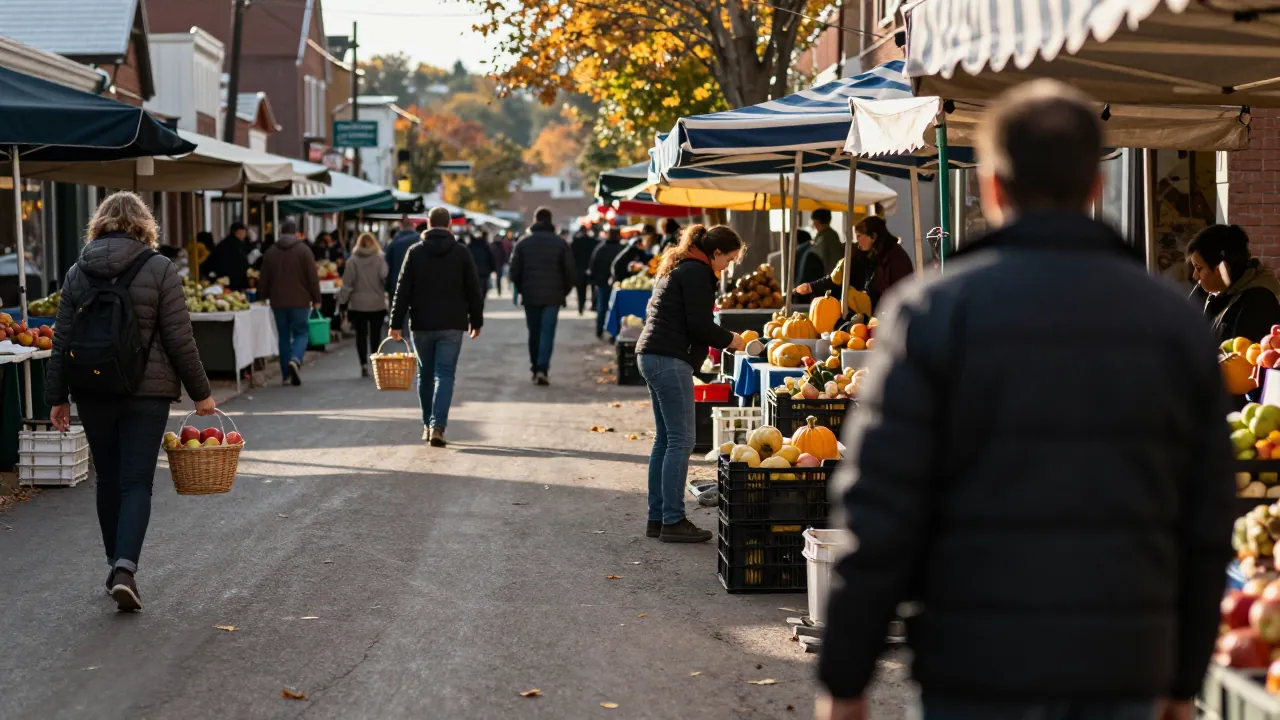
The themes that emerged were not the ones we expected. We thought history would dominate. Instead, the everyday kept winning: the way a town keeps two names, the way a menu separates what a kitchen cooks from what a visitor expects, the way a market changes with the calendar. Our piece on seasonal food markets began as a short note about opening hours and became one of the longest articles of the year.
What Surprised Us
- Borders show up in food and language long before they show up in any official document. A menu is a better teacher than a treaty.
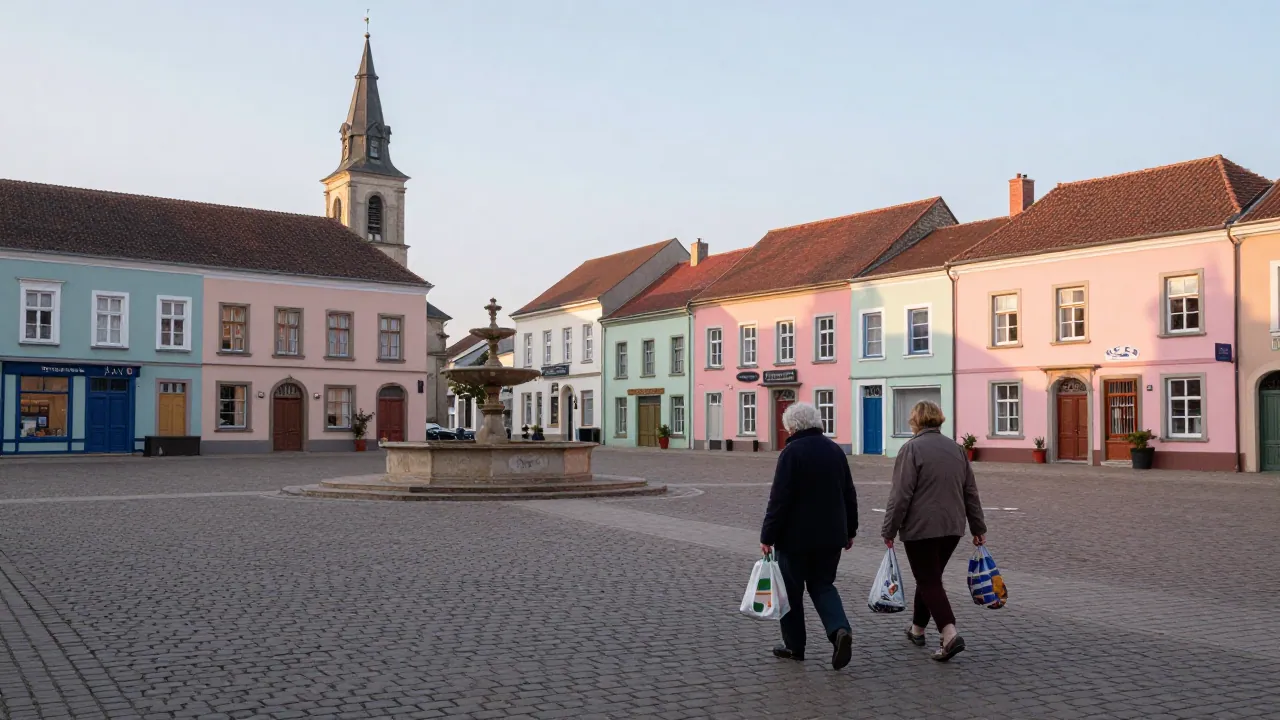
- The same town can carry two or three names, and each one belongs to a different conversation. Readers wrote in about this more than about anything else.
- Rail travel is where visitors meet the border most directly, in timetables, platform signs, and the small pause when a conductor changes language.
- Local readers are generous with corrections when the correction is easy to make. A short note and a source are usually enough.
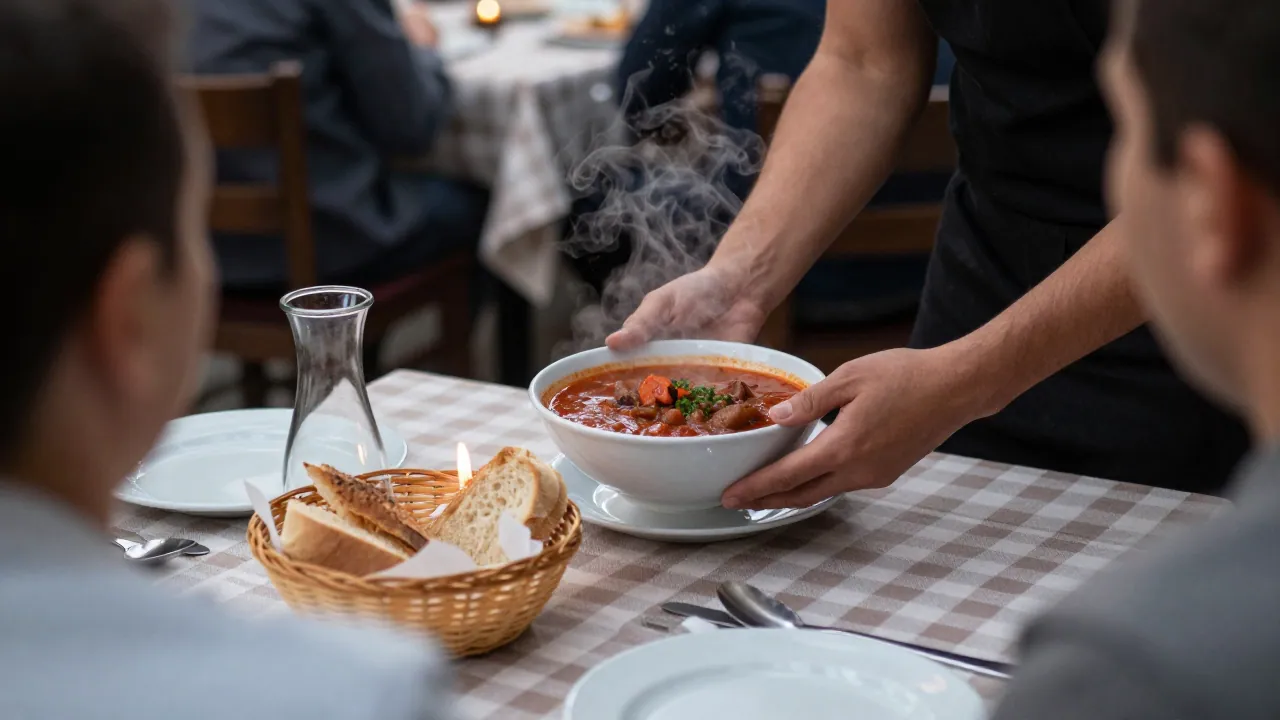
Our article on why so many towns carry more than one name drew the most reader mail. One reader explained the name her grandmother used, which appears on no sign and in no index. We added a paragraph about family names for places, and the article improved. The same happened with our guide to reading a Hungarian menu, where a reader pointed out that one dish we described as regional is really a family recipe with a wide spread.
What We Got Wrong, and Fixed
We published three articles with a wrong date and one with a misspelled station. Two translations in an early draft leaned on a dictionary and missed the register of the original. We corrected all of it in public, with a note at the foot of each piece, because a reference work that hides its repairs is not much of a reference work.
The larger lesson was about scale. A border is not one line. It is a set of small arrangements that people make every day, and those arrangements change faster than encyclopedias do. When we wrote about a baker who keeps a wood-fired oven alive, we learned that his flour comes from a mill a short drive away, on the other side of a border that neither he nor the miller mentions. That detail explained more about the region than a page of dates.
We stopped asking what a border means and started asking what it costs a person on a Tuesday morning. The answers were always specific, and always more interesting.
What Comes Next
Next year we will publish fewer articles and spend more time in the places we write about. The plan is a small series on everyday infrastructure: markets, railway stations, workshops, and the quiet systems that hold a town together. We will also invite local readers to review drafts before publication, which we should have done from the beginning.
Questions people ask
Why did borders keep appearing in everyday topics?
Because borders are experienced through language, food, travel, and trade long before anyone reads an official document. Small details carry the history more reliably than summaries do.
How do you handle corrections?
We add a dated note at the foot of the article and thank the reader who wrote in, unless they prefer not to be named. Every correction is reviewed by two editors.
What will the next year of articles cover?
A shorter series on everyday infrastructure: seasonal markets, railway stations, small workshops, and the systems that keep towns running. We plan to publish fewer pieces and check each one more slowly.