A Week of Research in the Tatra Foothills
What we planned, what we found, and what we will do differently after seven days of interviews and library visits in southern Poland and northern Slovakia.
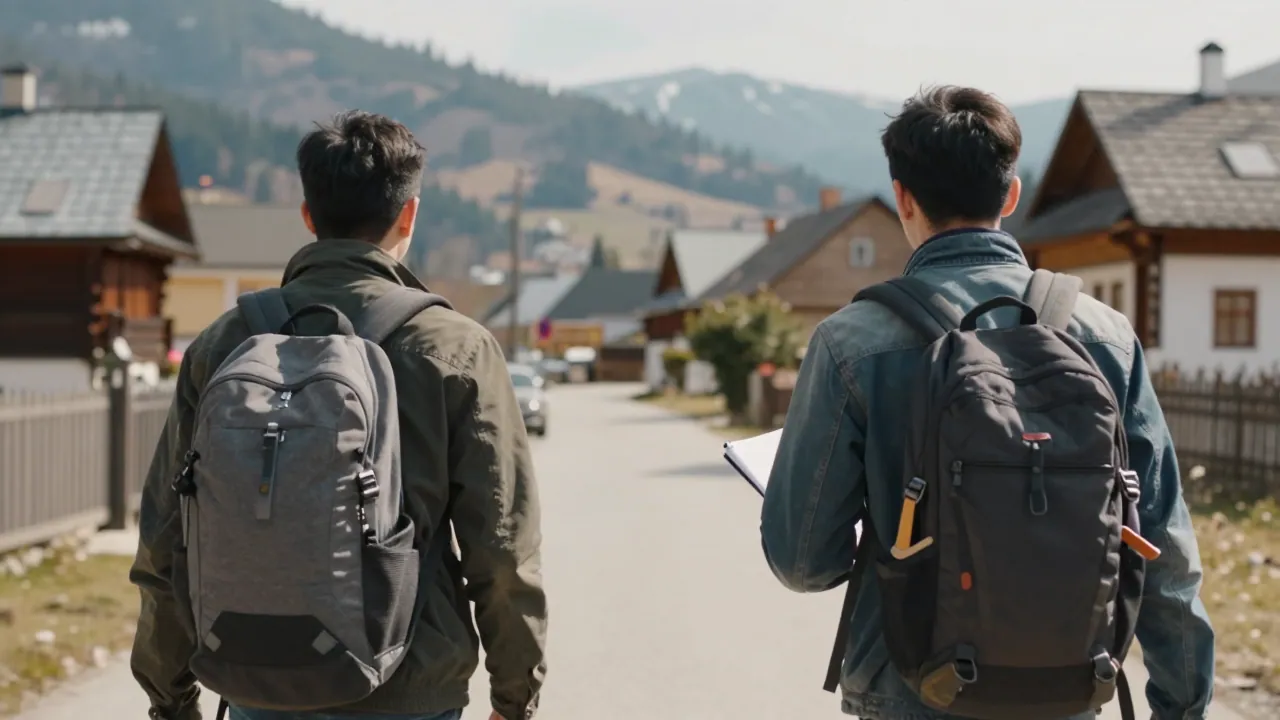
In early October we spent a week in the Tatra foothills, based in two small towns on either side of the border. The plan was modest: talk to a dozen people about how they describe their own region, spend three afternoons in local reading rooms, and test whether a short trip could support several entries in our encyclopedia. We came back with notes for six articles, a longer list of questions, and a clearer sense of how to organize research in a region where the mountains make every journey longer than it looks on a map. This is a plain account of what worked and what did not, and it connects to our four-language fact-checking process.
What we set out to do
Our aim was to gather material for articles on place names, seasonal food and everyday life in the foothills. We wanted to hear how people talk about the mountains in ordinary conversation, not only in official descriptions. We also wanted to test a practical question: can a small team do useful research in this region in one week, or does the geography demand longer stays? We booked simple rooms in two towns and planned to spend three days on each side of the border, with a day in between for travel and writing up notes.
Before leaving, we read what we could find about the region and made a list of topics to pursue. That list was too long. We had noted sixteen possible article ideas and quickly cut it to six, which turned out to be the right number for the time available. The lessons from earlier work, such as mapping seasonal food markets, helped us set realistic expectations.
What we did, day by day
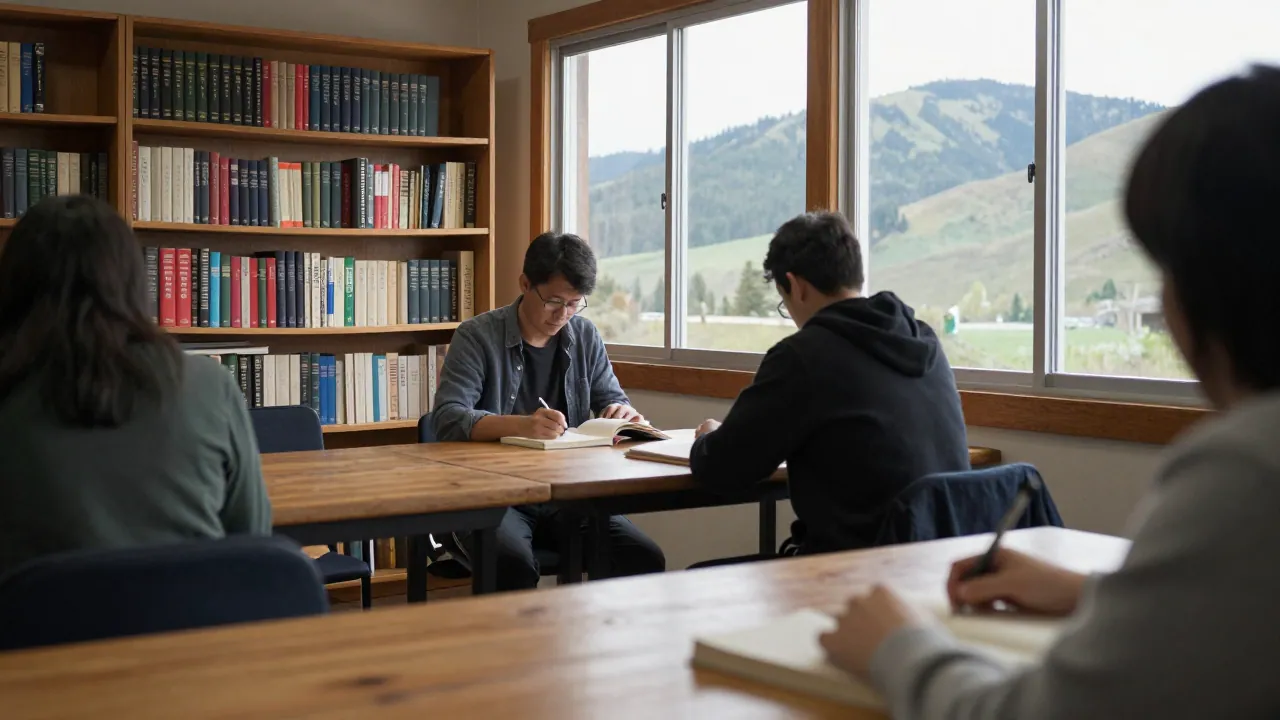
The first two days were spent in reading rooms. We had arranged access in advance by email, and the librarians were generous with their time. We looked at local histories, old maps and collections of regional sayings. The second afternoon produced more usable material than any single interview: a folder of handwritten notes on place names that explained several local variants we had seen on road signs.
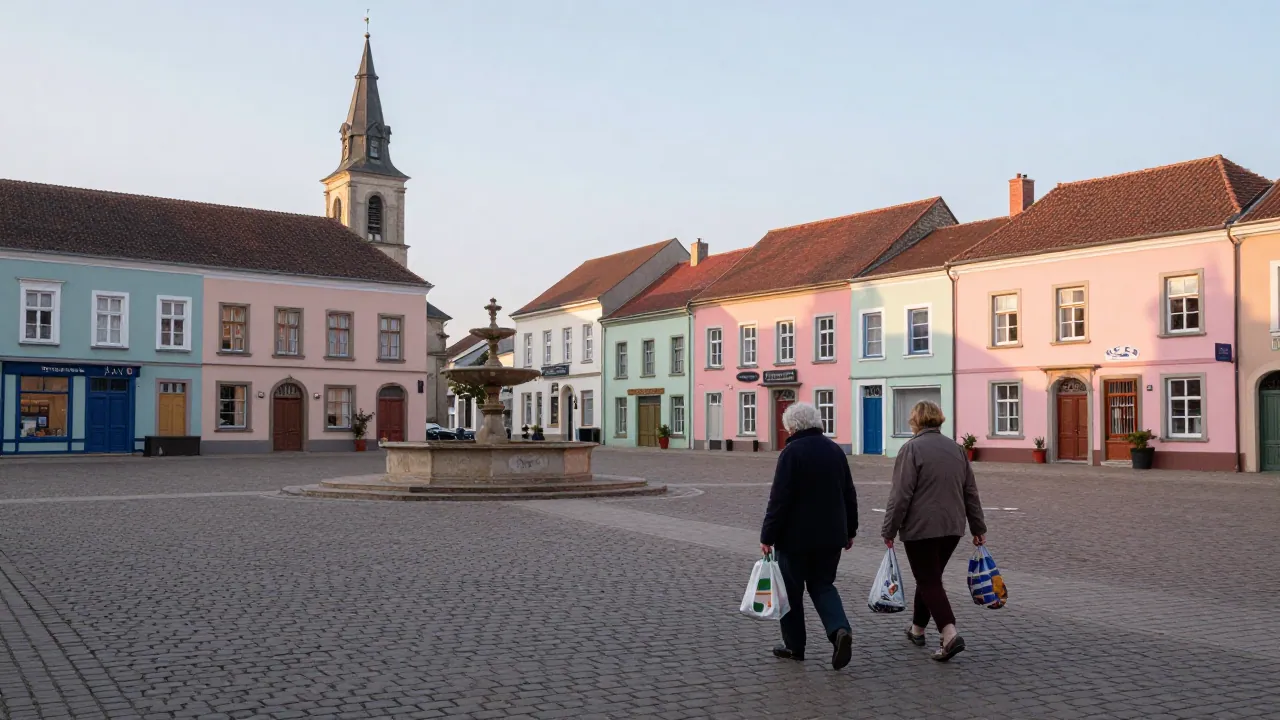
The middle of the week was for interviews. We had scheduled eight and completed seven. One person had to cancel because of work, and we used the free hour to revisit a market square and record observations. The conversations were wide-ranging. People were patient with our questions about dialect words and seasonal customs, and several offered to send us further references by email. We took notes by hand and typed them up each evening, which kept the material manageable.
The last two days were spent on the Slovak side of the border. Here the travel times were longer than we had allowed, and we arrived late for one appointment. The visit still went well, but we learned to add at least an hour to every estimate. A short table shows how the week was spent.
| Activity | Planned | Completed | Notes |
|---|---|---|---|
| Library visits | 3 | 3 | Most productive source of detail |
| Interviews | 8 | 7 | One cancellation; one rescheduled |
| Article drafts started | 6 | 6 | All still need fact-checking |
| Travel hours between bases | 4 | 7 | Underestimated on both sides |
What worked
The library visits were the strongest part of the trip. Local reading rooms hold material that is hard to find online, and the librarians know their collections well. Arranging access by email before we left made a real difference. We also found that short, informal conversations in shops and cafés often opened doors to longer interviews later in the week.
Taking notes by hand and typing them up the same evening worked better than recording interviews. People seemed more relaxed, and the notes were easier to organize. This approach also fits our wider method, which you can read about in what writing about four countries taught us.
What did not work
Our travel planning was too optimistic. Roads in the foothills are slow, and a distance that looks short on a map can take twice as long in practice. We also scheduled interviews too close together, which left little time for follow-up questions or for writing up notes while the conversation was fresh. The one cancellation was handled easily, but it showed how fragile a tightly packed schedule can be.
We also underestimated how much time would be needed to sort and label photographs and documents. By the end of the week we had a large folder of material that still needed careful indexing. This is the quiet work behind every entry, and it deserves more space in our planning.
What we will change next time
For future trips in the region we will build in at least one buffer day and limit ourselves to five interviews in a week. We will contact librarians earlier and ask specifically about local history collections. We will also plan travel times by asking local contacts rather than relying on maps alone. And we will allow an afternoon at the end of the trip for organizing material before the journey home.
The week confirmed something we already suspected: careful, unhurried research in this region rewards patience. We came back with six draft articles in progress, a list of people to thank, and a better map of how to work here. We will report on the finished articles as they are edited and checked.
Questions people ask
How long was the research trip?
Seven days, split between two bases on the Polish and Slovak sides of the Tatra foothills, with one travel day in the middle.
Did the team need special permissions for library visits?
No special permissions were needed, but we arranged access by email in advance, which made the visits smoother and more productive.
What will the team do differently next time?
We will add a buffer day, schedule fewer interviews, confirm travel times with local contacts, and set aside time to organize notes before leaving.