The Baker Who Keeps a Wood-Fired Oven Alive
In a village in the Tatra foothills, one baker still heats his oven with wood before dawn, and the daily routine carries local food traditions forward.
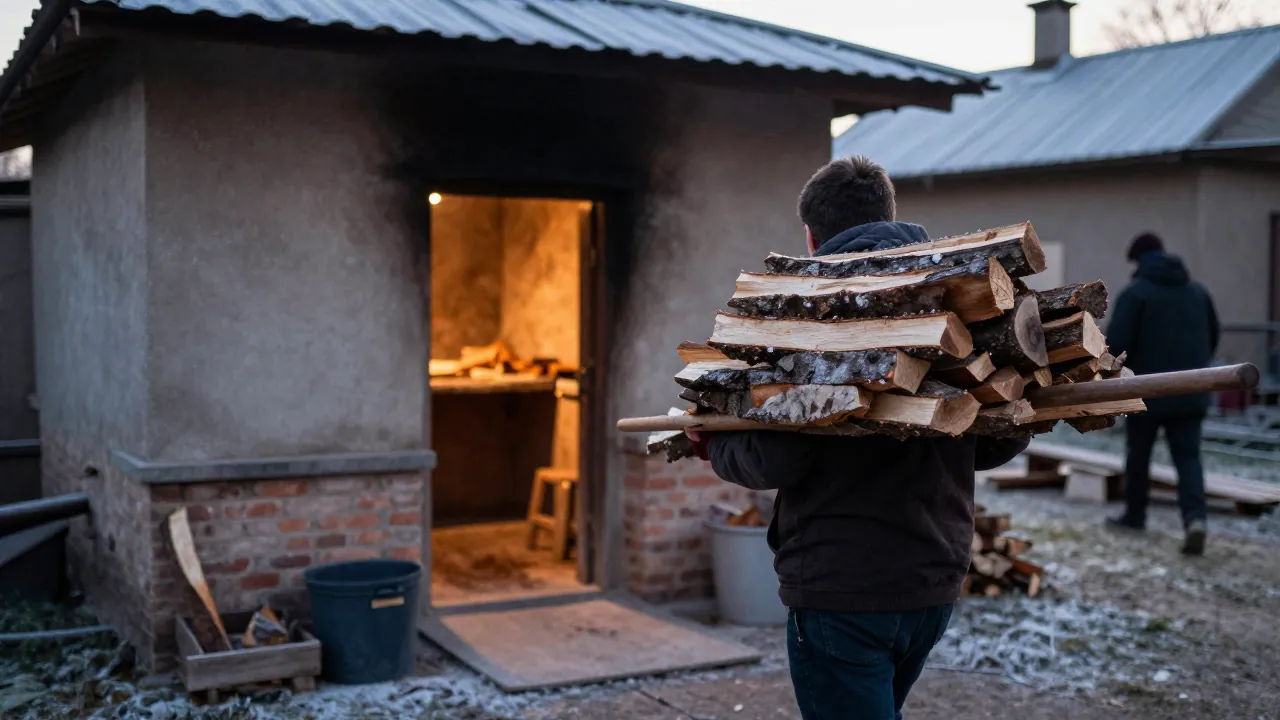
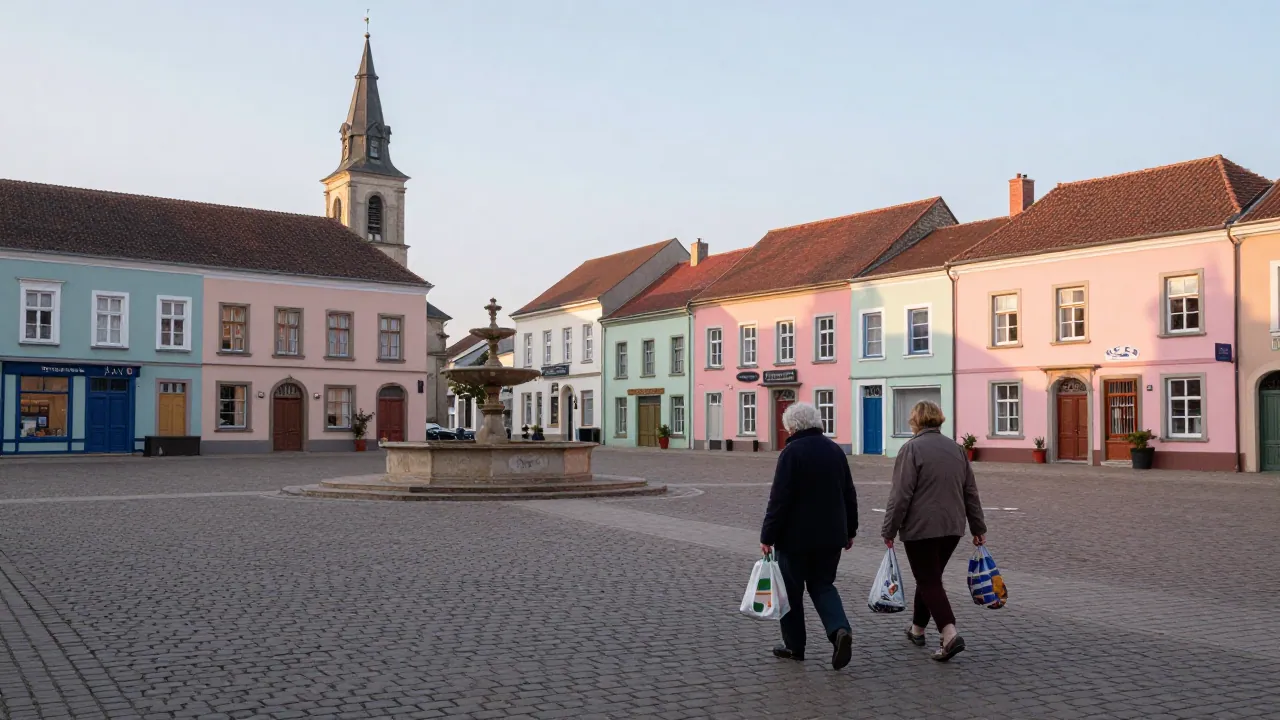
Before the village wakes, a thin line of smoke rises from the bakery on the square. The baker is already there, feeding split spruce into the firebox, waiting for the brick dome to turn from black to a soft, sooty white. He has done this every morning for years, and the rhythm of the work has changed very little. What has changed is the number of people who still know how to do it. In this corner of the Tatra foothills, the wood-fired oven is not a novelty but a tool, and the bread that comes out of it is part of what we learned mapping seasonal food markets.
We met him on a cold morning in late autumn, when the square was still dark and the smell of wood smoke mixed with the smell of wet leaves. He asked us not to use his name, because he does not like attention, and we agreed. He wore a heavy apron and moved between the firebox and the worktable with the quiet efficiency of someone who has done the same thing thousands of times. The bakery is small: one room for the oven, one for shaping and cooling, a narrow counter where customers stand.
The oven sets the day
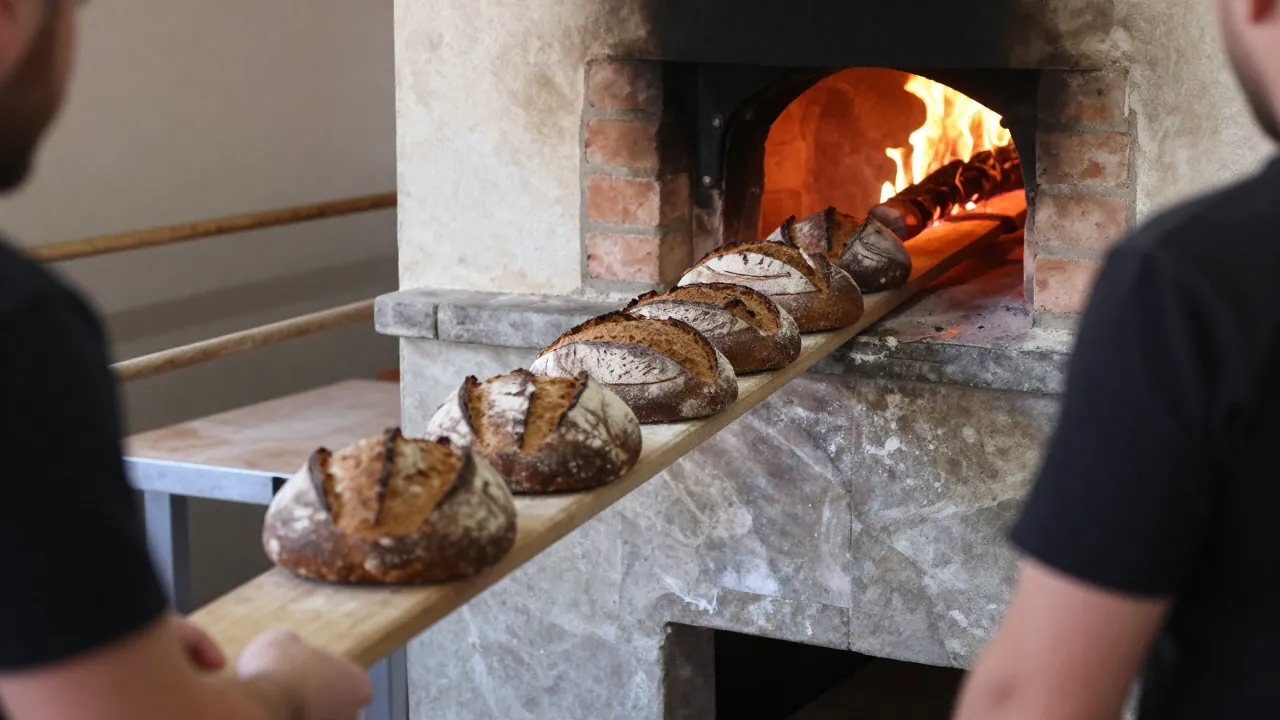
The first task is not baking but heating. He starts the fire with dry kindling, then adds larger pieces of spruce and beech. The oven is made of brick and clay, and it holds heat in its walls. It takes about two hours to reach the right temperature. He tests it by tossing a handful of flour onto the oven floor: if it browns in a few seconds, the oven is ready. Then he rakes the embers to one side and wipes the floor with a damp cloth. The bread goes in with a long wooden peel.
The bread itself is simple: rye flour, wheat flour, water, salt, and a sourdough starter he has kept going for years. He shapes the loaves by hand and lets them rise on linen cloths. The wood-fired oven gives them a thick, dark crust and a moist crumb that is hard to reproduce in a modern oven. He sells the bread from the counter and delivers some to a few households in the village. On Saturdays, he also bakes rolls and a sweet bread with walnuts, a recipe he learned from his mother.
A routine that carries knowledge
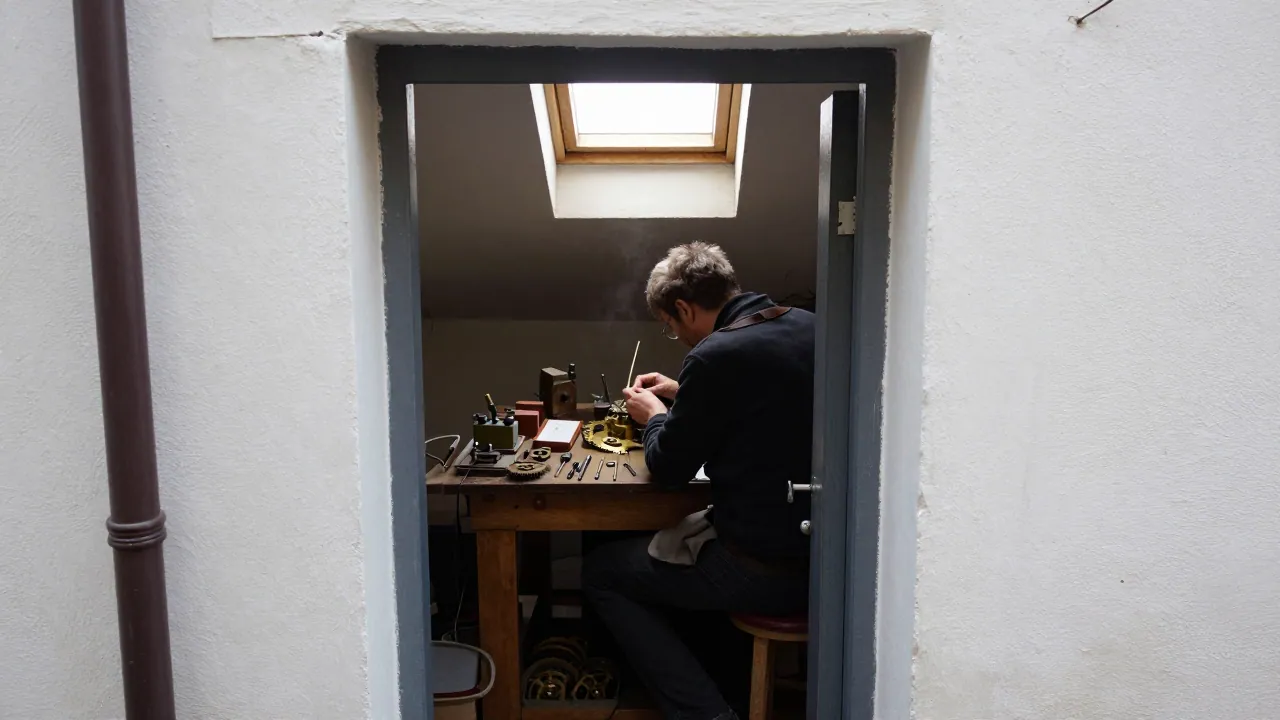
What strikes us is how much of the work is not written down. He knows the oven by sound and smell, by the color of the bricks and the way the heat feels on his face. He learned from an older baker in a nearby town, and before that from his mother, who baked at home in a smaller oven. This kind of knowledge travels through hands and repetition, not through manuals. It is the same kind of practical skill we found in a clockmaker's workshop above a quiet street, where the tools and the gestures matter as much as the final product.
The oven does not care about your schedule. You have to be here, and you have to pay attention. If you rush, the bread knows.
He admits that the work is physically demanding. Chopping wood, carrying flour, standing for hours: it is not a job for everyone. But he also says that the routine keeps him grounded. And the customers notice. One woman told us she comes for the bread because it tastes like the bread her grandmother made. Another said she buys an extra loaf on Fridays because her neighbours expect it. The bakery is a small business, but it also functions as a meeting point, a place where people exchange news and complain about the weather.
Why it matters beyond the village
Wood-fired ovens like this one are becoming less common, but they are not gone. In the Visegrád countries, small bakeries and home bakers still use them, often in rural areas and at food festivals. They are part of a wider food culture that values slow fermentation, local grains, and seasonal rhythms. When we mapped seasonal food markets, we saw how these traditions connect to what people buy and cook at home. A loaf from a wood-fired oven is not just food; it is a reminder of how a community feeds itself.
What we take from it
As we left, the sun was just coming up over the rooftops. The baker was already cleaning the counter, and the first customers were arriving. He waved from the doorway and went back to work. For readers who travel in Central Europe, the lesson is simple: look for the small bakeries, the ones with a stack of wood by the door and a line of people waiting. They are often the places where a daily routine carries a tradition forward, one loaf at a time.
Questions people ask
Why do some bakers still use wood-fired ovens?
Wood-fired ovens give bread a distinctive crust and flavor, and they are part of local baking traditions. For many small bakeries, the oven is also a practical tool that suits their scale and the kind of bread they make.
How long does it take to heat a wood-fired oven?
It depends on the oven's size and the wood, but a typical village oven takes about two hours to reach baking temperature. The baker tests the heat by sprinkling flour on the oven floor and watching how quickly it browns.
Can visitors buy bread from bakeries like this?
Yes, many small bakeries sell bread directly from the counter or at local markets. It is best to go early in the morning, since the bread often sells out. Some bakeries also deliver to nearby households.