How to Read a Polish Railway Ticket Before You Board
A plain guide to the abbreviations, seat reservations, and platform details on Polish train tickets, so you find the right carriage without last-minute confusion.
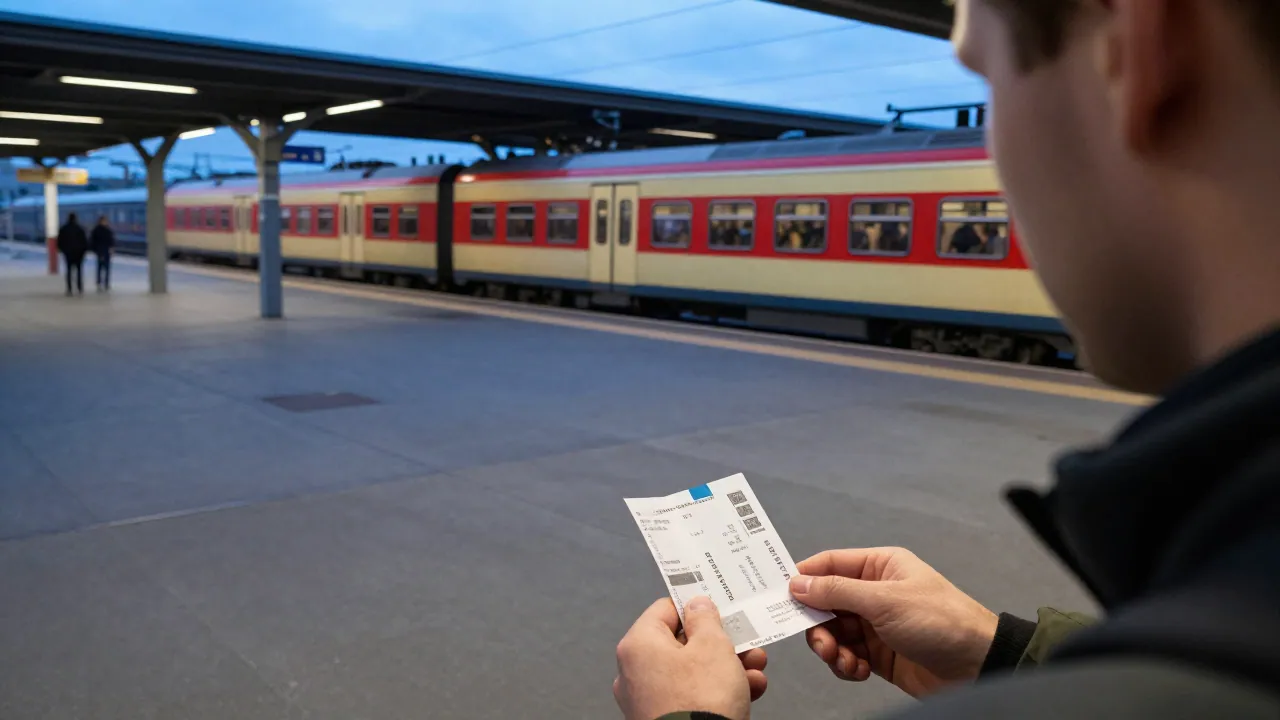
Polish train tickets carry a lot of information in a small space, and most of it matters. https://cwdir.org/ If you are used to tickets that show only a departure time and a destination, the strings of letters and numbers can feel like a code. This guide is for travelers who have bought a ticket and want to understand it before stepping onto the platform. We will walk through the abbreviations, explain what a seat reservation actually guarantees, and show where the platform and carriage details appear. By the end, you should be able to read your ticket at a glance and board with confidence. For a wider view of rail travel in the region, our guide to Czech trains covers similar ground.
We have stood on enough Polish platforms to know the moment: ticket in hand, train already at the platform, and no clear idea which carriage to walk toward. The good news is that Polish tickets follow a consistent logic. Once you know where to look, the information is all there. This guide is for anyone traveling with a paper or mobile ticket on a Polish train, whether it is a short regional hop or a long intercity run. You do not need to speak Polish to read the ticket, but a handful of words will help.
The parts of a Polish ticket
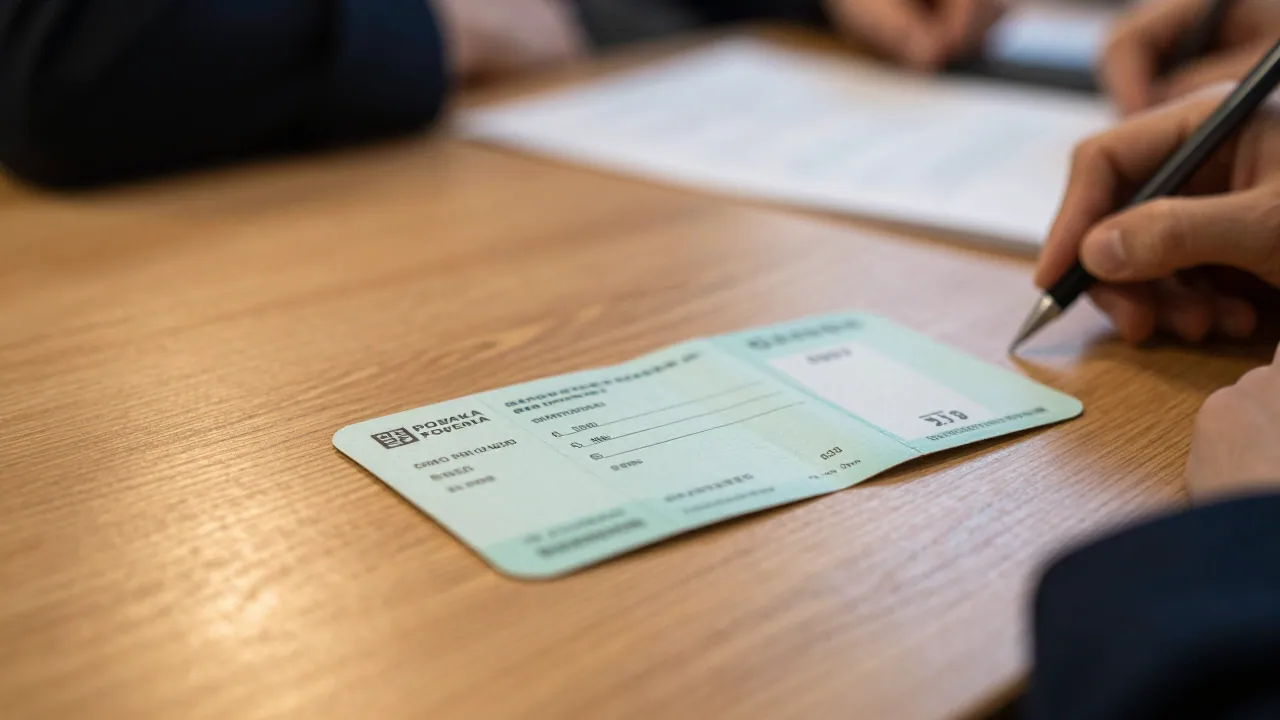
A typical Polish ticket is divided into sections. The top usually shows the seller and the date of sale. Below that comes the journey itself: departure station, destination station, and the date and time of travel. On the right or lower half you will find the train category and number, followed by the carriage and seat details if a reservation is included. At the bottom, look for the price and a code that inspectors use. The layout varies slightly between ticket types, but these elements are nearly always present.
One thing that surprises visitors is that the ticket and the seat reservation are often printed together but are logically separate. A ticket gives you the right to travel; a reservation gives you a specific place. If you buy a ticket without a reservation on a train where one is required, the ticket may be valid but you could still be asked to pay a supplement or move. When in doubt, ask at the counter for a reservation with the ticket.
Abbreviations you will see
Polish train categories are shortened to two or three letters. The most common are IC (InterCity), TLK (Twoje Linie Kolejowe, a slower intercity service), IR (InterRegio), and REG (regional). You may also see EIC (Express InterCity) or EIP (Express InterCity Premium). These letters tell you what kind of train to look for on the departure board, and sometimes they indicate whether a reservation is compulsory. The table below compares the main categories.
| Abbreviation | Full name | Reservation | Notes |
|---|---|---|---|
| IC | InterCity | Recommended | Fast trains between major cities. |
| TLK | Twoje Linie Kolejowe | Recommended | Slower, often cheaper. |
| IR | InterRegio | Optional | Regional intercity, varies by route. |
| REG | Regio | Not usually possible | Local trains, short distances. |
| EIC | Express InterCity | Compulsory | Premium service, seat included. |
Other abbreviations appear next to the class of travel: 1 or 2 for first or second class, and sometimes a letter for the type of carriage (for example, a quiet zone or a compartment car). If you see a small symbol of a bicycle or a wheelchair, it refers to facilities on that specific carriage. We keep a note of these symbols in our guide to regional bus timetables, which uses a similar visual language.
Seat reservations and what they mean
A reservation line on a Polish ticket usually shows three things: the carriage number, the seat number, and sometimes the direction the seat faces or whether it is a window seat. The carriage number is the key. On the platform, carriages are marked with large numbers near the doors. If your ticket says carriage 7, walk toward the carriage marked 7. Do not assume the first carriage is number 1; the order can run either way along the platform. For a broader context on how rail systems in the region compare, https://cwdir.org/ is a useful directory of transport resources.
- Carriage number (e.g., 'Wagon 7'): the physical coach you need.
- Seat number (e.g., 'Miejsce 42'): your assigned place inside that coach.
- Class (e.g., 'klasa 2'): first or second class, which affects where you sit.
- Reservation status: some tickets mark 'bez rezerwacji' (without reservation).
If your ticket has no reservation, you can sit in any unreserved seat in the class you paid for. On busy routes, that may mean standing. On trains where reservations are compulsory, such as EIC and EIP, you must have one. The conductor will check both the ticket and the reservation. Our fact-checking process applies to everything we publish, including the small print on tickets.
Finding your platform and carriage
Polish tickets often show the platform (peron) and sometimes the track (tor) number. These appear near the top of the journey details, usually as 'Peron 3' or 'Tor 2'. At large stations like Warszawa Centralna, platforms are underground and the numbering is clear, but the walk can take several minutes. At smaller stations, the platform may be a simple strip beside the tracks, and the track number is what matters.
- Check the departure board for your train number and destination.
- Note the platform number and compare it with your ticket.
- Walk to the platform and look for the carriage number displays.
- Stand near the mark for your carriage number.
- Have your ticket and reservation ready for inspection.
Carriage number displays are usually electronic signs above the platform or stickers on the platform surface. They show the order of carriages as the train arrives. If the train is already there, walk along until you see the number on the door. This is where a little patience saves a lot of walking. For a sense of how stations work in the region, our piece on Czech trains describes a similar system.
Common mistakes and how to avoid them
The most common mistake we see is boarding the first carriage that appears. On long trains, that could be the wrong end entirely. Another is assuming the seat number is the carriage number. They are separate. A third is ignoring the train number: two trains can leave at the same time for similar destinations, and the ticket is valid only for the one printed on it.
- Do not board by carriage number alone; check the train number too.
- Do not sit in first class with a second-class ticket, even if the carriage is empty.
- Do not discard the ticket after inspection; keep it until you leave the station.
- Do not rely on a screenshot if your ticket is mobile; have the app ready.
If you realize you are on the wrong train, speak to the conductor before the doors close. They can often advise on the next stop and how to return. Polish railway staff are used to these situations and are generally helpful. Our week in the Tatra foothills included several such conversations, and we learned that a calm question goes a long way.
Questions people ask
What does 'bez rezerwacji' mean on a Polish ticket?
'Bez rezerwacji' means 'without reservation'. You have the right to travel but no assigned seat. On trains where reservations are optional, you can sit in any unreserved seat in your class.
Where do I find the carriage number on the platform?
Carriage numbers appear on electronic displays above the platform and on stickers along the platform edge. They show the order in which carriages will stop, so you can position yourself in advance.
Can I use a Polish ticket on a different train?
Usually no. Tickets are valid for the specific train, date, and time printed on them. If your plans change, you may need to exchange or buy a new ticket before boarding.