A First-Timer's Guide to Riding Czech Trains Between Towns
Ticket types, seat reservations, platform signs and luggage rules, explained in plain order, so a first ride between Czech towns goes smoothly.
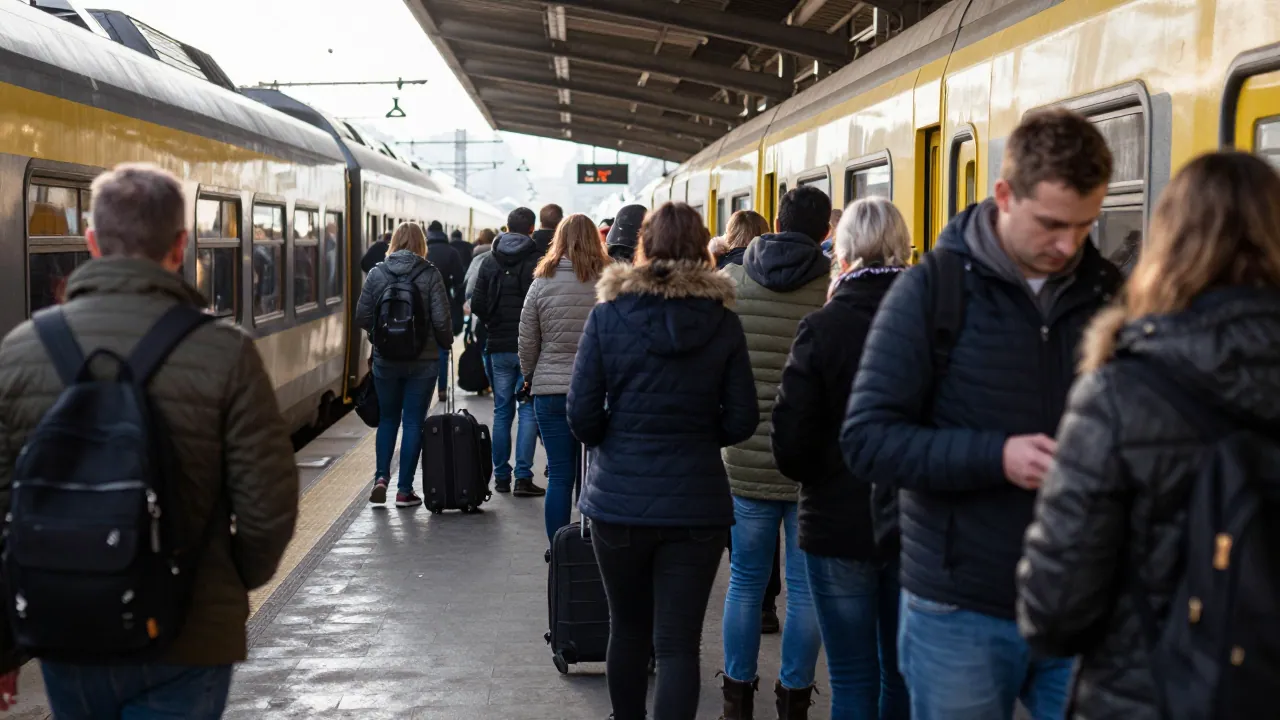
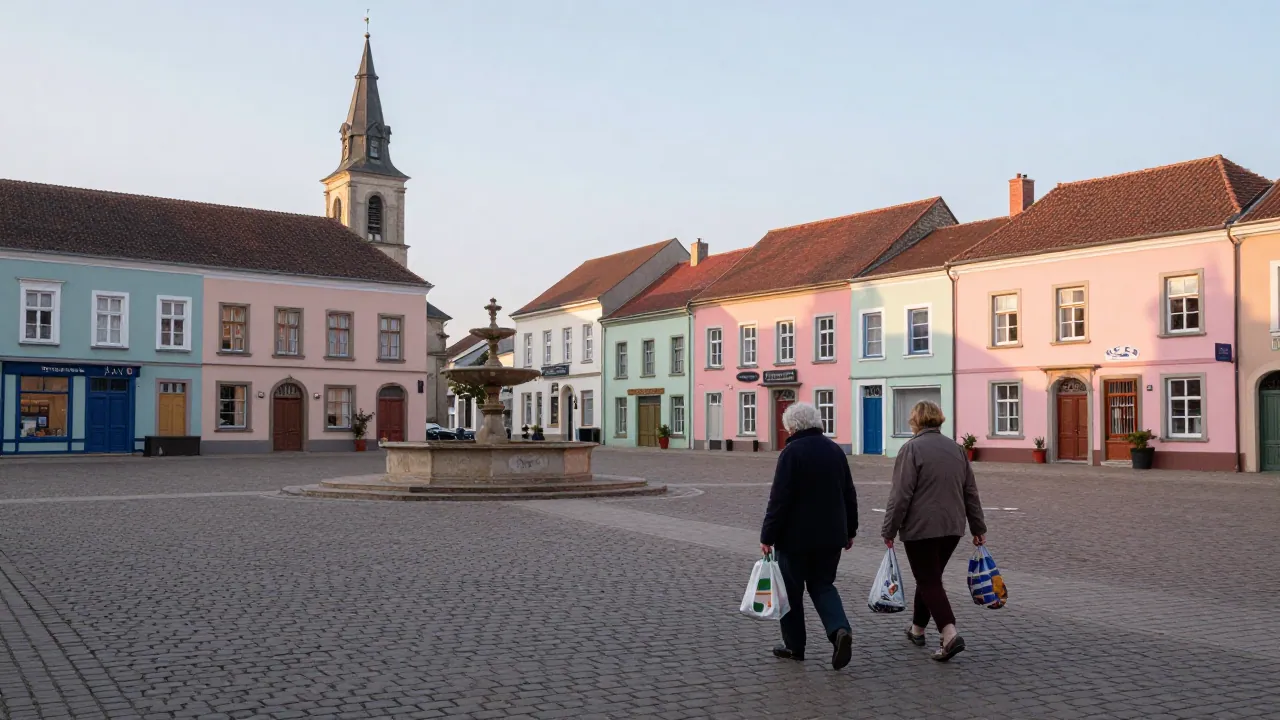
If you are visiting the Czech Republic and want to move between towns without a car, the train is usually the calmest choice. The network is dense, the fares are reasonable, and a two-hour ride can put you in a square that looks nothing like the last one. The catch is that the system assumes you already know a few conventions: which ticket to buy, whether a seat reservation matters, what the small numbers above the platform mean, and where your bag is supposed to go. This guide is for first-time riders. Read it once, and you should be able to buy a ticket, find your train and settle in without asking three strangers for help. We still get caught out by the two-name habit at stations, so we note it below.
What you need before you go
You do not need an account, an app or a printed booking. A card at the counter or a ticket machine will do. Still, a few things make the first journey much easier.
- The Czech name of your destination, and the name of the station in that town — larger towns have more than one.
- A bank card that works abroad, or cash in crowns for smaller stations where the counter may be closed.
- The date and rough time you want to travel, since some discounts depend on it.
- A note of your train number if you booked online, because staff may ask for it.
- A little patience at the departure board: the Czech names scroll, and the English ones are sometimes shorter.
The ticket types you will actually meet
Czech fares are mostly distance-based, which is friendlier than it sounds. You say where you are going, and the price follows. The main choices are a single ticket, a same-day return, and a group or regional day ticket if several of you are travelling together. A return is usually cheaper than two singles, but it must be used on the day you bought it. Trains are sorted into categories too: fast trains stop in fewer places, local trains stop everywhere. The difference matters mostly for time, not for comfort.
| Ticket | Best for | Watch out for |
|---|---|---|
| Single | One-way journeys between towns | Buy before boarding where the station has a counter |
| Same-day return | A day trip out and back | Not valid on a different day |
| Group day ticket | Three or more people on one route | Check how many people it covers before paying |
| Seat reservation | Long rides, Friday and Sunday | Sold separately from the ticket |
Buying a ticket, step by step
- Find the departure board and locate your train. Note the departure time, the train number and the platform.
- Go to the ticket counter or machine. Say or type your destination, and the date if it is not today.
- Choose single or return. If you are unsure, ask for a single; you can buy the way back later.
- Pay by card or cash and take the ticket. Check the destination and date before you walk away.
- If the train is long or the time is busy, ask for a seat reservation at the same time. It costs little and prints on the same slip.
- Go to the platform and check the sign against your ticket, then wait near the marked carriage position if one is shown.
When we travelled between regional towns last autumn, the counter clerk printed the reservation without being asked, because the Friday train was already filling. That is common. If you would rather not have one, say so politely.
Reading platforms and the departure board
This is where most first-timers pause. Czech platform signs are terse. A sign above the platform shows the track number, the departure time and the destination, in that order of importance to staff. The board in the hall shows a scrolling list: time first, then destination, then platform. Numbers like 3 or 4a beside the platform refer to track sections, not to carriages. On a long platform, a train may be split, so check the small letters.
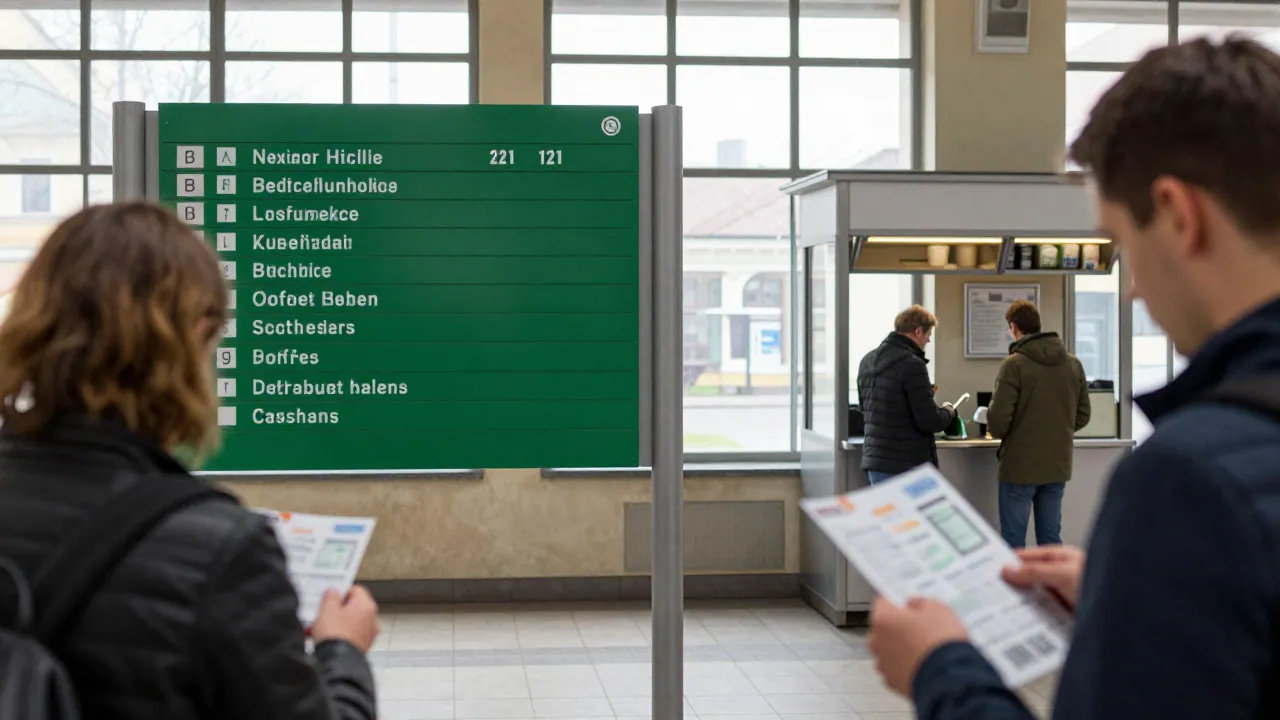
Announcements are in Czech, often repeated in English at larger stations. The English version may come after a pause, so listen for your destination rather than for the start of the sentence. If the platform changes, people will move at once; follow the crowd and check the board again. We have found that station staff are patient with a written destination on a phone screen. Because so many places have a German or older name alongside the Czech one, it helps to know why the names differ before you arrive.
Seat reservations, luggage and the ride itself
A reservation does not guarantee a whole seat to yourself, only that a seat is held for you. On fast trains the reservation usually shows a carriage number and a seat number. Find the carriage first, then the seat. If someone is sitting in it, show the slip; the exchange is almost always friendly. Without a reservation, sit anywhere that is not marked as reserved, and move if a slip appears above the seat.
Luggage rules are loose in practice. A backpack goes above your head. A large suitcase belongs on the rack at the carriage end, or in the space between seats if it fits. Do not block the aisle, and keep the passage to the doors clear at stops. Bicycles and prams need a separate booking on many trains, so sort that at the counter rather than at the door.
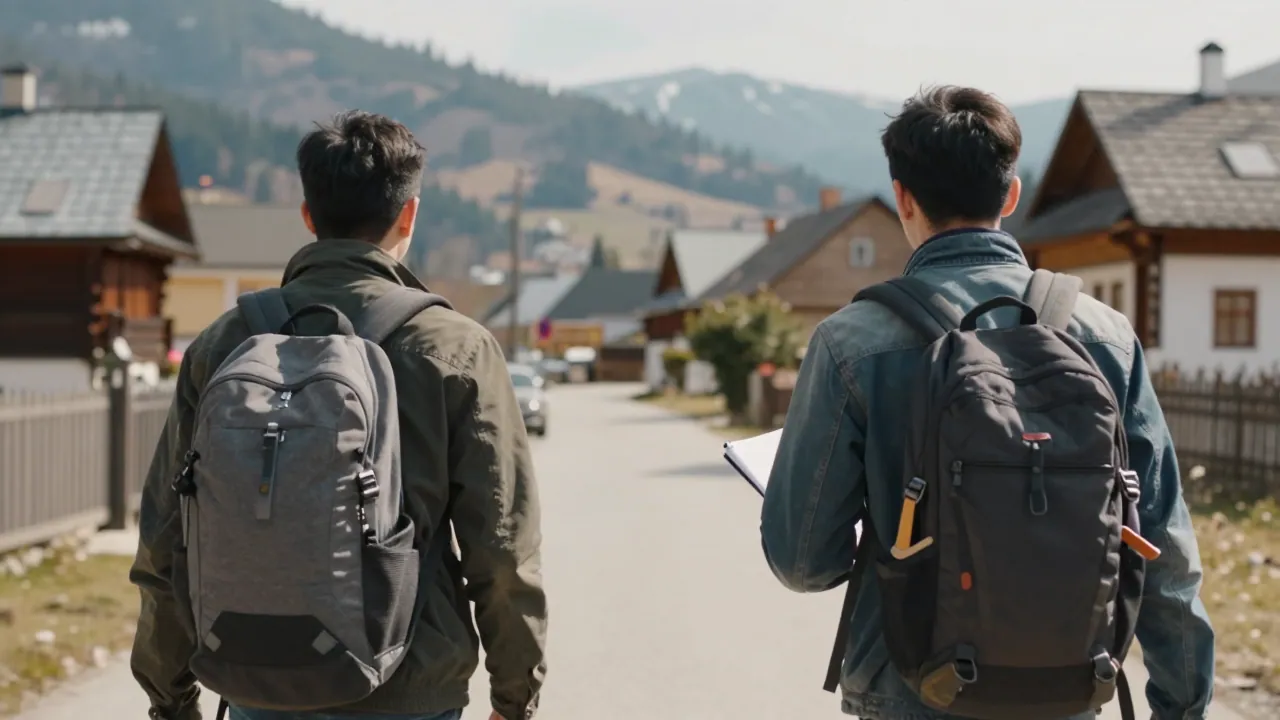
Rides are quiet and unhurried. There is often a trolley with coffee, and the window seats show a countryside of fields, small woods and the backs of houses. We keep a notebook of what we see from the window; it is a good way to learn a region.
What still puzzles us
Two things remain on our list. First, the supplement for buying on board varies and is not always posted where you can see it. Second, the English announcements sometimes name the next station only, while the Czech version names the line. We usually carry the train number written down, and that has settled most confusion. Our wider notes on how the four countries compare put these small differences in context.
Questions people ask
Do I need a seat reservation on Czech trains?
No, not on most services. It is worth buying on Friday afternoons, Sunday evenings and long-distance fast trains, where carriages fill. It costs little and prints with your ticket.
Can I buy a ticket on the train?
Often yes, but a supplement may apply and the conductor may not reach you before your stop. Buy at the counter or machine if one is open.
What does the small letter next to a platform number mean?
It marks a section of a long platform, not a carriage. Trains can be split, so check the letter against your departure board before you walk down.