How to Read a Slovak Village Notice Board
A practical guide to the glass case outside the obecný úrad: what the colored sheets mean, how to read dates, and which notices actually change your plans.
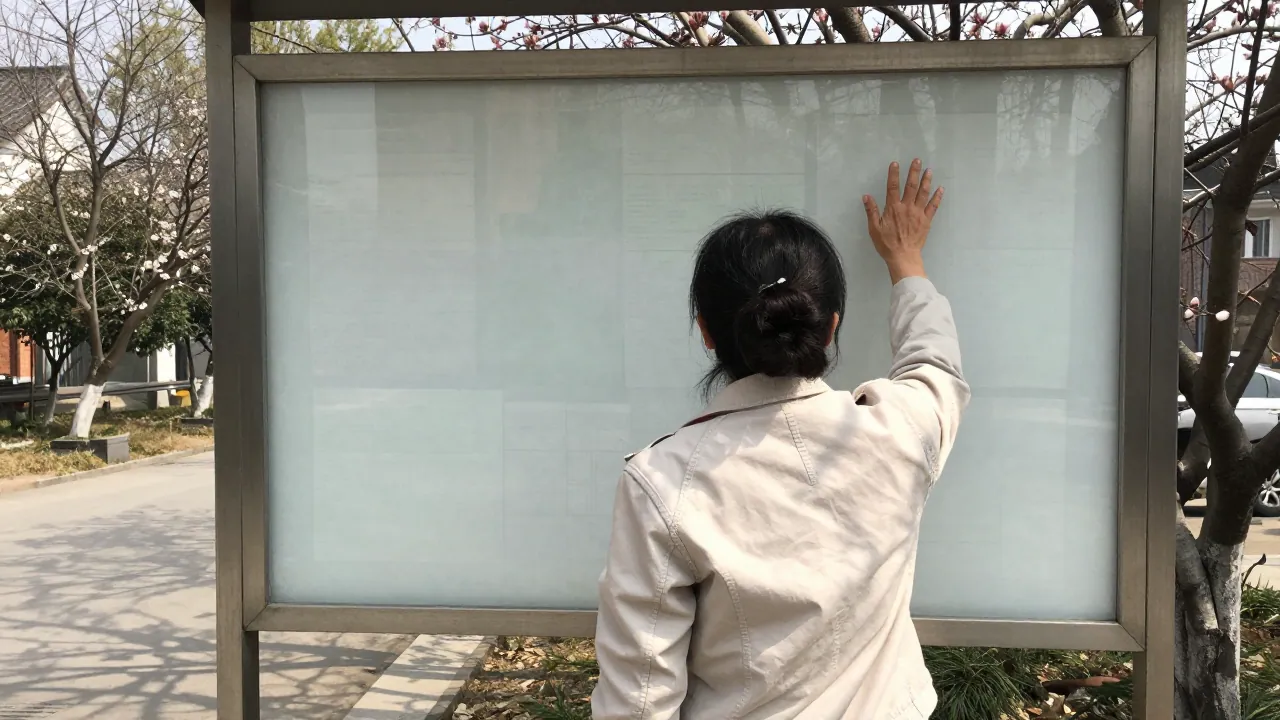
Village notice boards in Slovakia are small, glass-fronted cabinets outside the municipal office, and they are easy to walk past. https://halotuziemia.com/ For a visitor, they are also the most reliable local newspaper you will find. They tell you when the shop closes for inventory, which road will be resurfaced, when the volunteer fire brigade holds its summer fête, and whether the bus to the district town is running a holiday schedule. The notices are written in Slovak, often in a hurry, and pinned in overlapping layers. With a little practice, though, you can scan one in two minutes and know whether your afternoon needs rearranging. This guide is for travelers staying a few days in a village or small town who want to read the board without asking at the desk every time, and it pairs well with our guide to regional bus timetables.
What you are looking at
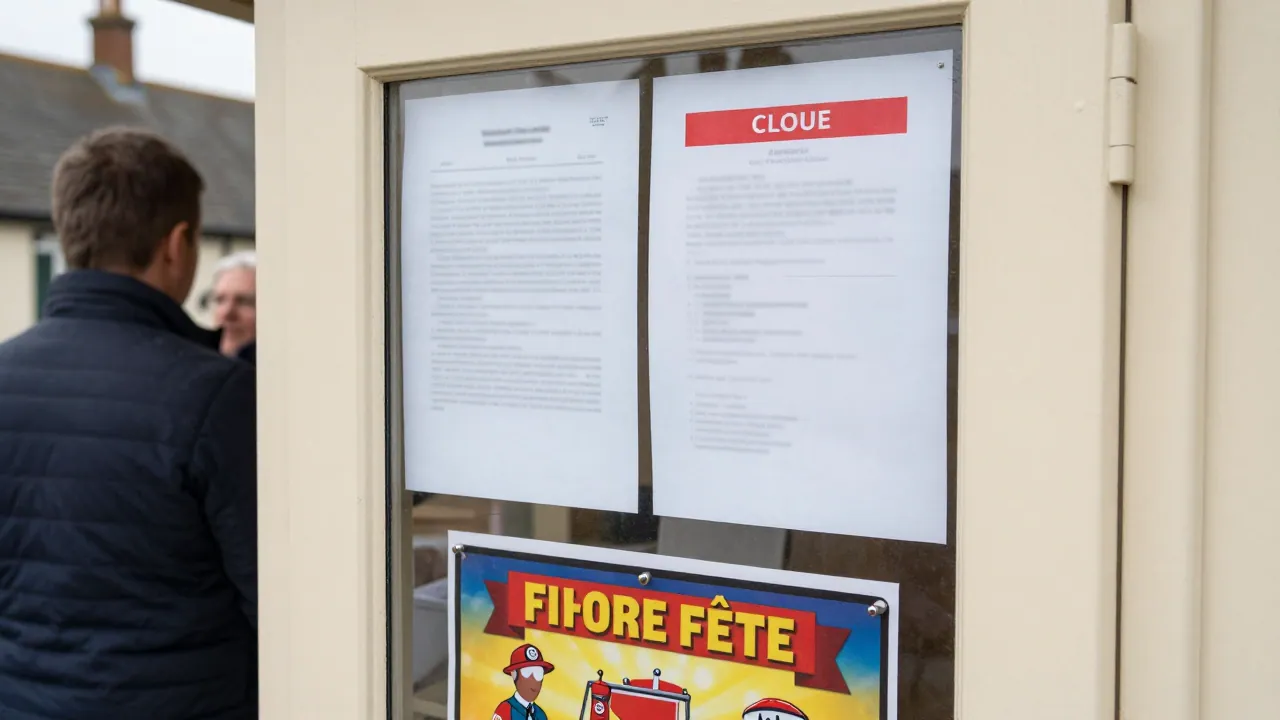
The board is usually a wooden or metal frame with a glass door, mounted on the wall of the municipal office or beside the bus shelter. Inside, sheets are pinned in rows. The top row is almost always official: decisions of the municipal council, budget summaries, and legal notices about land or building permits. Below that come practical announcements: water shut-offs, waste collection changes, road closures, and health office hours. The lowest row is cultural: concerts, pilgrimages, sports days, and posters for the volunteer fire brigade's summer fête. The bottom sheets are often the most useful to a visitor, because they carry dates and times for things you can actually attend.
Boards are maintained by the office secretary, who pins new sheets over old ones. A notice may stay up for weeks after its event has passed. Always check the date at the top or bottom of the sheet before you change your plans. If you are comparing boards across towns, our article on why so many Central European towns have two names will help you match the Slovak name on the board with the one on your map.
The vocabulary you will meet most often
You do not need to read every word. A handful of words appear again and again, and they carry most of the meaning. Learn to spot them and the rest of the sheet becomes guessable from context.
- oznam — notice or announcement, usually the heading of an official sheet.
- zatvorené — closed; often followed by a date and the reason, such as dovolenka (holiday) or inventúra (stocktaking).
- obecný úrad — municipal office; the place where the board hangs and where you can ask for clarification.
- podujatie — event; on cultural posters, usually with a time and a place.
- hasiči — firefighters; the volunteer brigade's fête is a common summer notice.
- odstávka vody — water shut-off; a practical notice that affects your morning.
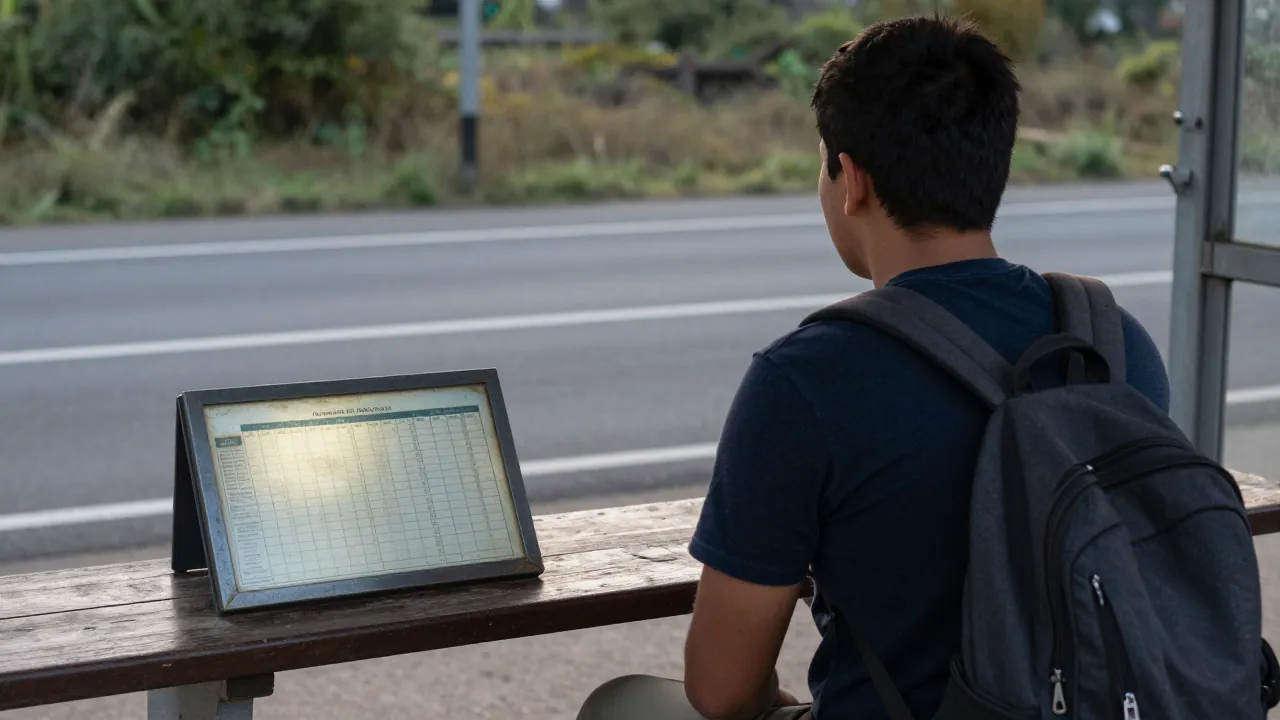
- zmena cestovného poriadku — timetable change; check this before relying on the bus.
Smaller abbreviations are common too: č. (number), ul. (street), tel. (telephone), and vstupné (admission fee, often followed by a small amount in euros). If a sheet uses a word you do not know, the office window is usually open for a few hours in the morning, and the secretary is used to answering questions from visitors. For a broader look at how we gather and check local details like these, see our notes on checking facts in four languages. And if you want to compare how other countries word their public notices, the site https://halotuziemia.com/ collects examples from Central Europe that we have found useful for cross-checking terms.
Reading dates and times correctly
Slovak dates are written day.month.year, so 3.5.2025 means 3 May 2025, not 5 March. This catches out many visitors from the United States, where the month comes first. Times use the 24-hour clock, often without a colon: 14.00 is two in the afternoon, and 7.30 is half past seven in the morning. A range is written with a dash, as in 9.00–12.00. If only a day is given without a month, it refers to the current month.
Watch for the word najbližšie (nearest or next) before a date, which usually means the next scheduled occurrence. The word podľa potreby (as needed) appears on notices about snow clearing or road repairs and tells you the timing is not fixed. For events, the sheet often lists the date in large type at the top and the time in smaller type near the bottom. If you photograph the sheet, take the whole board so you keep the context, then crop later.
| What you see | What it usually means | What to do |
|---|---|---|
| Bold red sheet, word zatvorené | Shop or office closed on a given date | Check the date; plan around it |
| White sheet with a table of numbers | Waste collection or water shut-off schedule | Note the day and street |
| Colorful poster with a photograph | Cultural event, fête or concert | Look for time and admission fee |
| Legal notice with a stamp | Official decision or permit | Rarely affects a short stay |
| Handwritten sheet at the bottom | Local announcement, often last-minute | Ask at the office if unclear |
How to scan a board in five steps
- Stand back first and look at the whole board. Note the colored sheets and the largest headings, which signal the most important notices.
- Start at the top and read only the headings. Official notices rarely affect a visitor, so you can usually skip them after a glance.
- Move to the middle rows and look for words like zatvorené, odstávka and zmena. These are the notices that change your day.
- Check the dates on anything that interests you. Confirm the day comes before the month, and note whether the event is this week or next month.
- Photograph the two or three sheets that matter, then compare them with the shop door or the bus stop timetable before you rely on them.
What still puzzles us
Even after years of reading these boards, some things remain inconsistent. The same office may use a red sheet for a closure one month and a white one the next. Handwritten additions are sometimes pinned over printed dates, and it is not always clear which one wins. In winter, sheets can be obscured by condensation or snow blown under the glass. We have learned to visit the board twice: once on arrival, and again the evening before a planned trip. That second look has saved us from more than one wasted morning at a bus stop.
Questions people ask
Are Slovak notice boards written only in Slovak?
Yes, almost always. A few tourist-oriented posters may include English or German, but official notices and local event sheets are in Slovak. The vocabulary list in this guide covers the words you will see most often.
How do I know if a closure affects my stay?
Look for the word zatvorené and check the date and the name of the shop or office. Closures usually last one day. If the notice mentions a street or a service you use, ask at the municipal office for confirmation.
Where can I find the board in a village?
It is normally mounted on the wall of the municipal office, near the main entrance, or beside the bus shelter. In smaller villages it may be the only glass case on the square, so it is hard to miss once you look for it.