What We Learned Mapping Seasonal Food Markets Across the Visegrád Countries
A season of visiting food markets in all four countries showed us which produce appears when, and how market rhythms differ from one border to the next.
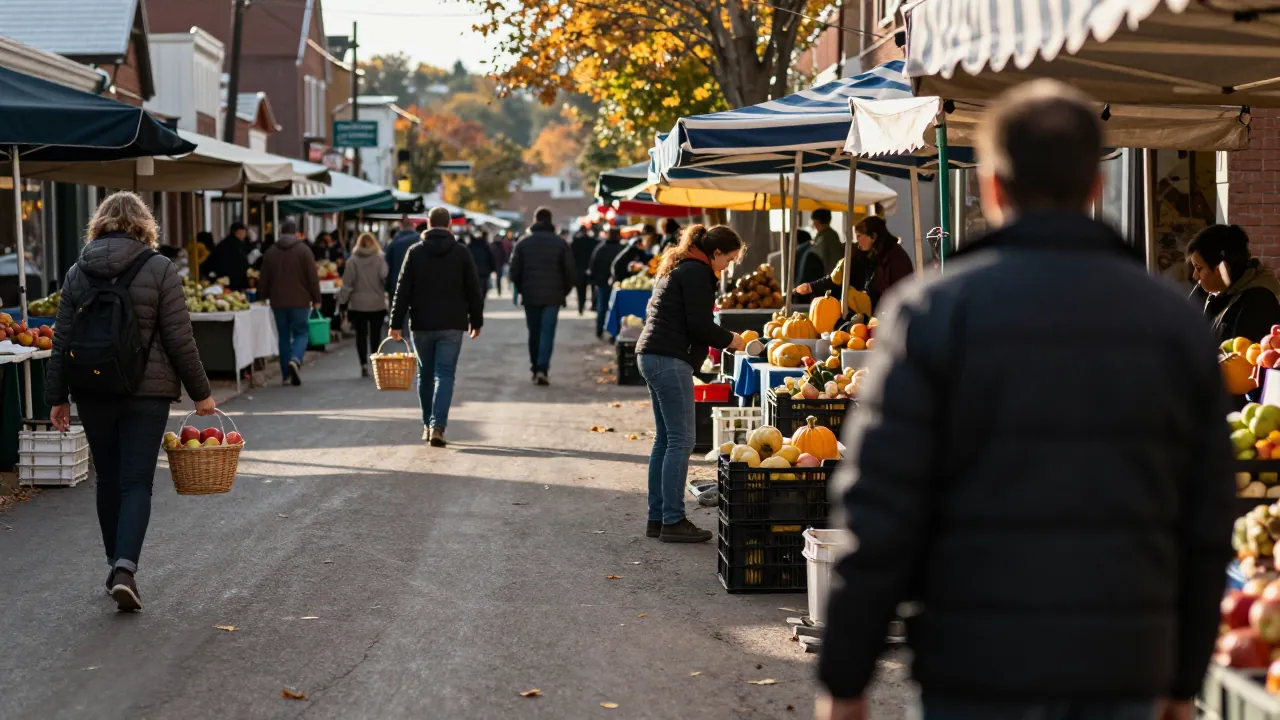
We spent last spring and summer visiting food markets in all four Visegrád countries, with a simple plan: note what was on the tables, ask when it was picked, and write it down. We wanted a season-by-season picture of what actually appears when, not what a calendar says should be there. We carried notebooks, a kitchen scale, and a list of questions. We came back with 38 market visits, a stack of photographs, and a clearer sense of how much the four countries share and how differently each market runs. This is an honest report on what worked, what did not, and what we will change next season. Along the way, we tested some of the assumptions in our guide to writing about four countries.
What we planned
The plan was modest. We would pick a mix of small town squares and larger city halls, visit each market at least twice, and record what was for sale, where it came from, and what the vendors said about the season. We wanted to compare the four countries without flattening them into one story. We also wanted to check a suspicion: that the seasonal rhythm of a market is shaped as much by local habits as by climate.
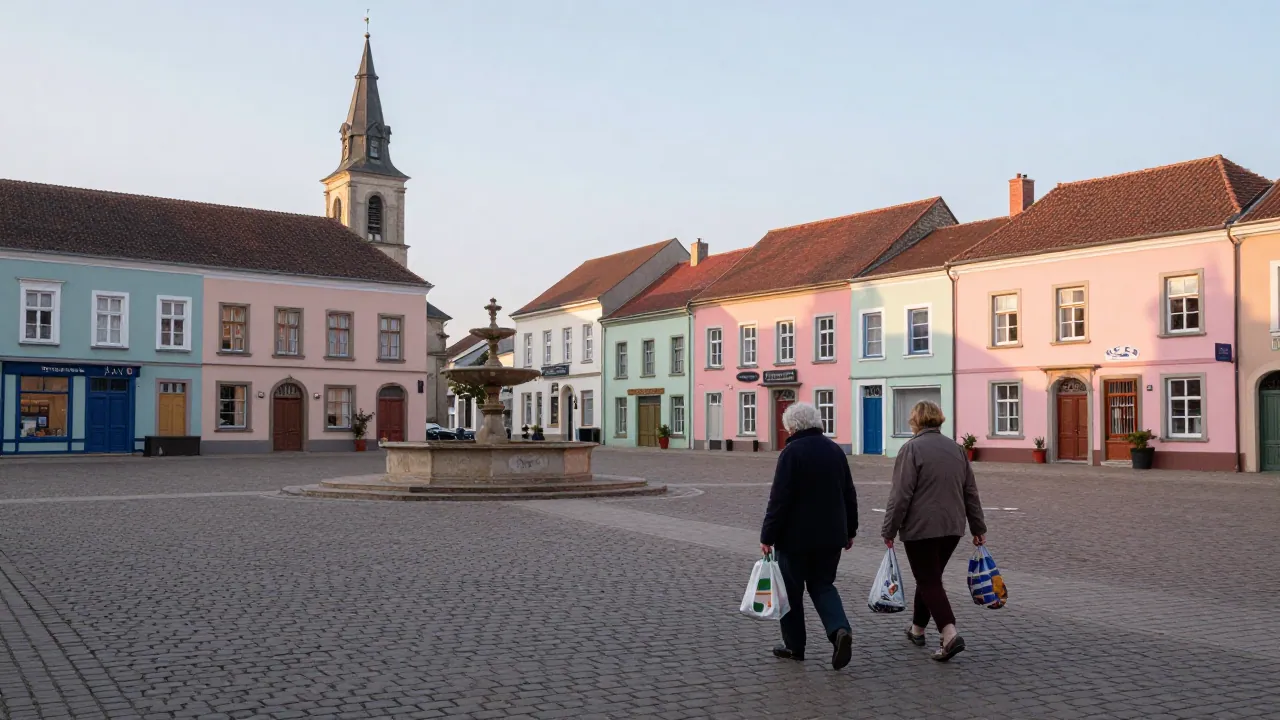
We chose 14 towns across the region, from a market square in southern Poland to a covered hall in western Hungary. We visited each one on a weekday and, where possible, on a Saturday. We spoke with 61 vendors, though not all of them wanted to be named in our notes. We kept the questions simple: What was picked this week? What is coming next? What do you do when the weather turns? The answers were often more useful than the produce itself.
What we did and what we found
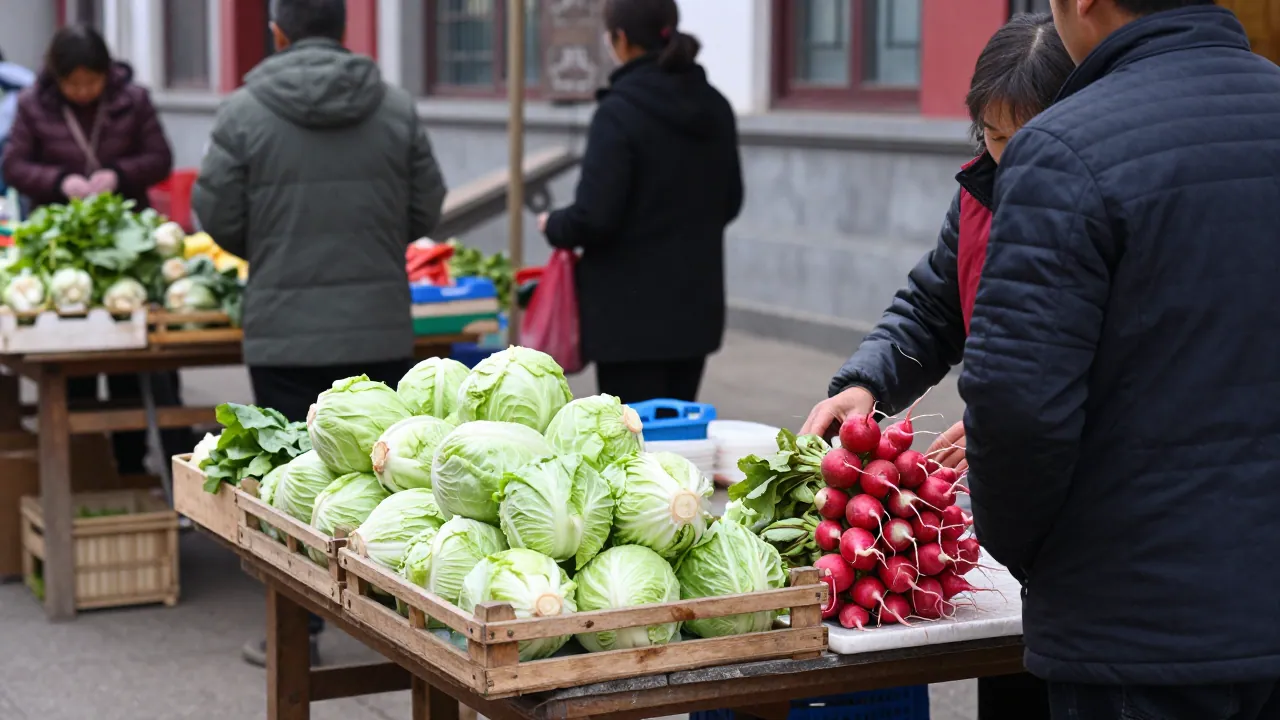
Across the season, we made 38 market visits and filled four notebooks. The table below shows how many markets we visited in each country and the main produce we saw at each stage of the season. The numbers are small and local, but they helped us see patterns we would have missed otherwise.
| Country | Markets visited | Early season (April–May) | Mid season (June–July) | Late season (August–September) |
|---|---|---|---|---|
| Czechia | 10 | Radishes, spring onions, rhubarb | Strawberries, new potatoes, peas | Plums, apples, squash |
| Hungary | 9 | Spring onions, lettuce, sorrel | Cherries, sour cherries, cucumbers | Peppers, tomatoes, grapes |
| Poland | 11 | Radishes, chives, young cabbage | Strawberries, broad beans, dill | Apples, pears, mushrooms |
| Slovakia | 8 | Rhubarb, spring onions, spinach | Strawberries, peas, new potatoes | Plums, apples, cabbage |
What surprised us was how closely the early season matched across borders. Asparagus appeared in all four countries within a two-week window. Strawberries arrived almost together in late May. New potatoes followed within days of one another. The differences were in what came next: Hungary had sour cherries when Poland had broad beans, and Slovakia had cabbage when Czechia had squash.
We also learned that market rhythms are not only about produce. In some towns, the market day was a social occasion, with the same vendors in the same spots for decades. In others, the market was a practical stop, and the stalls changed with the weather. We noted these differences carefully, because they matter for anyone trying to understand everyday life in the region. They also connect to older stories, such as the baker who keeps a wood-fired oven alive, where the rhythm of the week is set by the oven, not the calendar.
What worked and what did not
The notebook method worked well. Writing down what we saw, rather than relying on memory, gave us a record we could compare across countries. Photographs helped too, especially when we were unsure of a variety or a label. We also found that asking vendors about the coming week was more reliable than asking about the whole season. People know what is ready now; they are less certain about what will be ready in a month.
What did not work was our attempt to visit too many markets in too short a time. In June, we tried to cover five markets in four days, and we came away with thin notes and tired legs. We also struggled with language in a few places, particularly when asking about local names for produce. That is a familiar problem for us; our editing process for four languages exists precisely because a word can mean one thing in one country and something else next door. We should have built in more time for translation and follow-up questions.
What we will change next season
Next season we will visit fewer markets, more often. Instead of 14 towns, we will choose eight and return to each three or four times. That will let us see how a single market changes week by week, which is where the real rhythm lives. We will also prepare a short list of produce names in all four languages before we go, and we will ask vendors at the end of each visit what we should look for next time.
We will publish a shared seasonal calendar, built from our notes and checked with vendors, so that readers can see at a glance what is likely to be on the tables in a given month. And we will keep the report honest: where we are unsure, we will say so. That is the spirit of this series, and it is how we learned to write about the region in the first place. For a sense of how we approach a single town over a week, see our report from the Tatra foothills.
If you are planning your own market visits, our advice is simple: go early, bring a notebook, and ask what was picked this week. The answers will tell you more about the season than any chart. And if you are reading a menu afterward, our guide to reading a Hungarian menu without guessing may help you connect the market to the plate.
Questions people ask
Which countries did you visit for this report?
We visited markets in Czechia, Hungary, Poland and Slovakia between April and September. In total we made 38 visits to 14 towns, mixing small town squares with larger city halls.
What was the most surprising finding?
The early season matched closely across all four countries. Asparagus, strawberries and new potatoes appeared within a two-week window everywhere, while the differences showed up later in the summer.
Will you publish the seasonal calendar?
Yes. We plan to publish a shared seasonal calendar built from our notes and checked with vendors. It will show what is likely to be on the tables in a given month, with room for local variation.